Last updated November 23, 2026
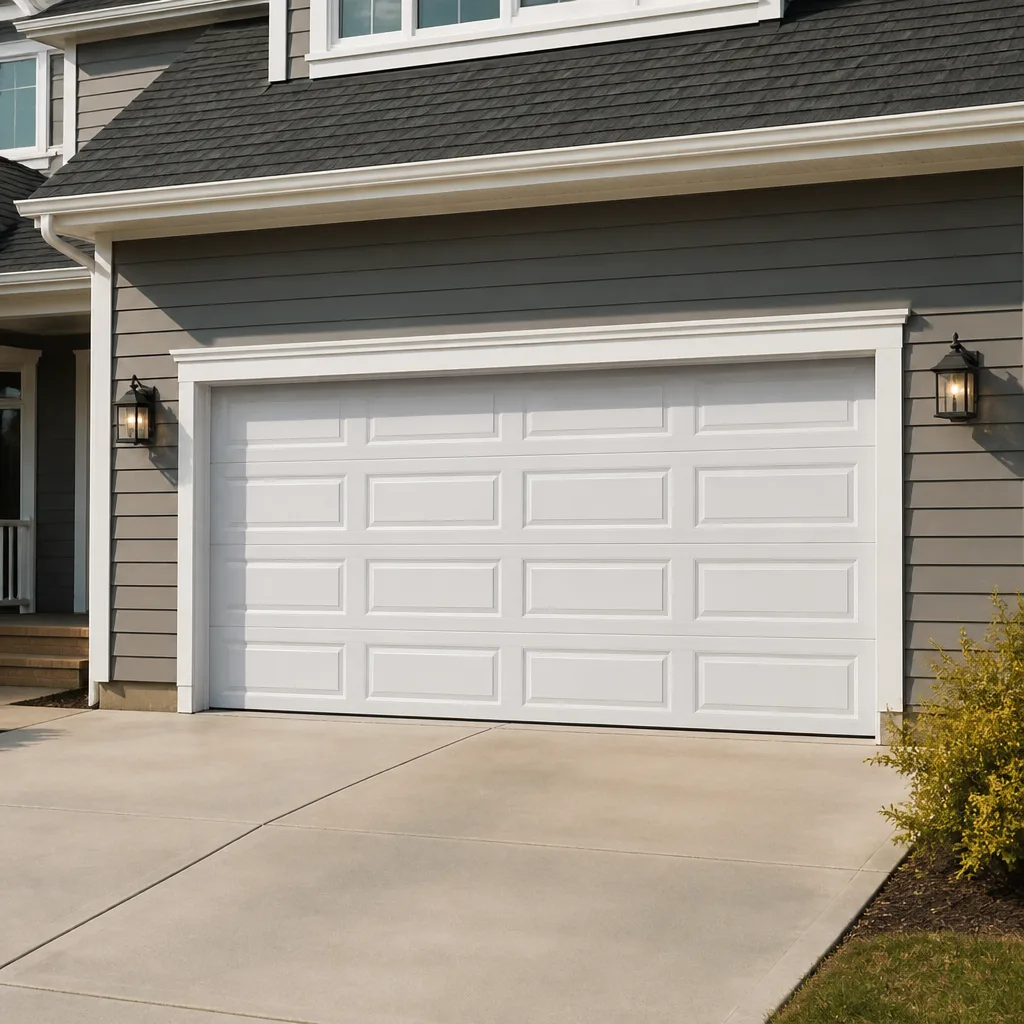 Raised-panel steel
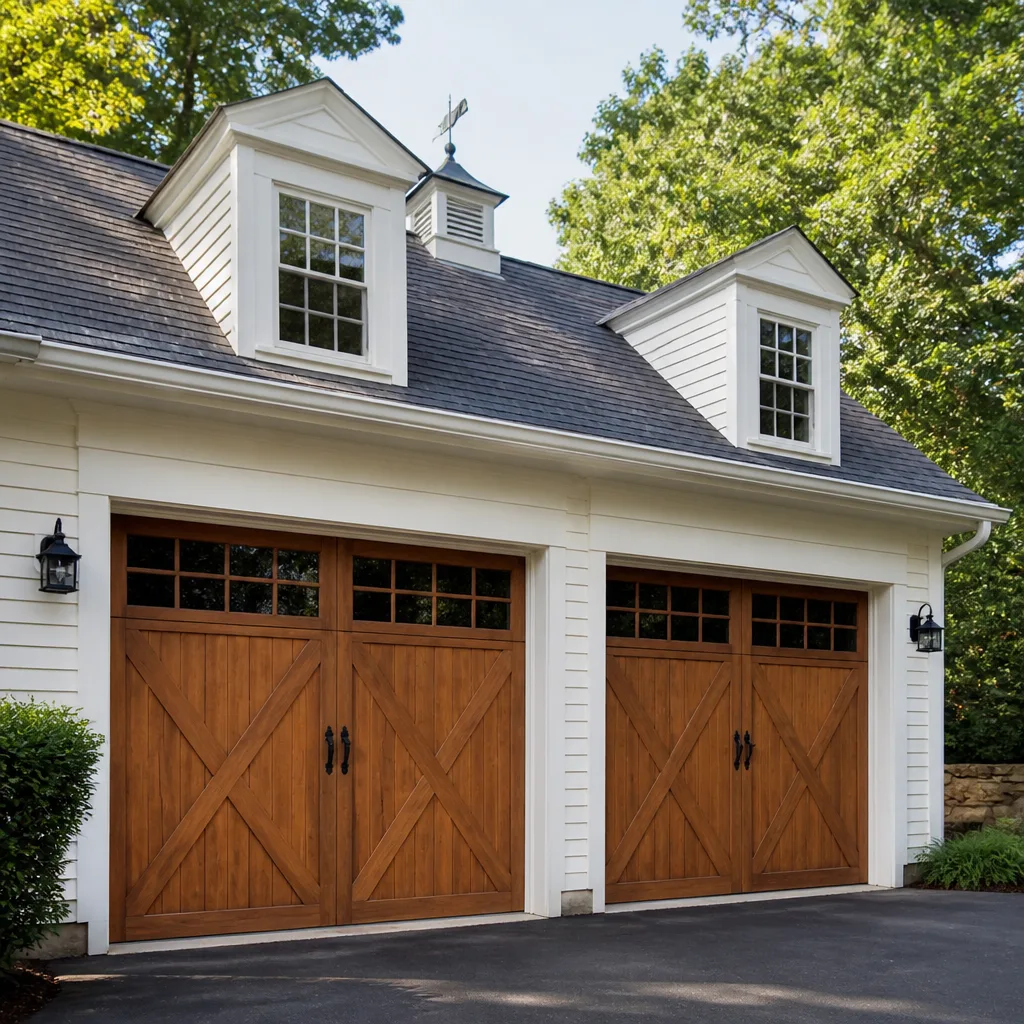 Carriage house
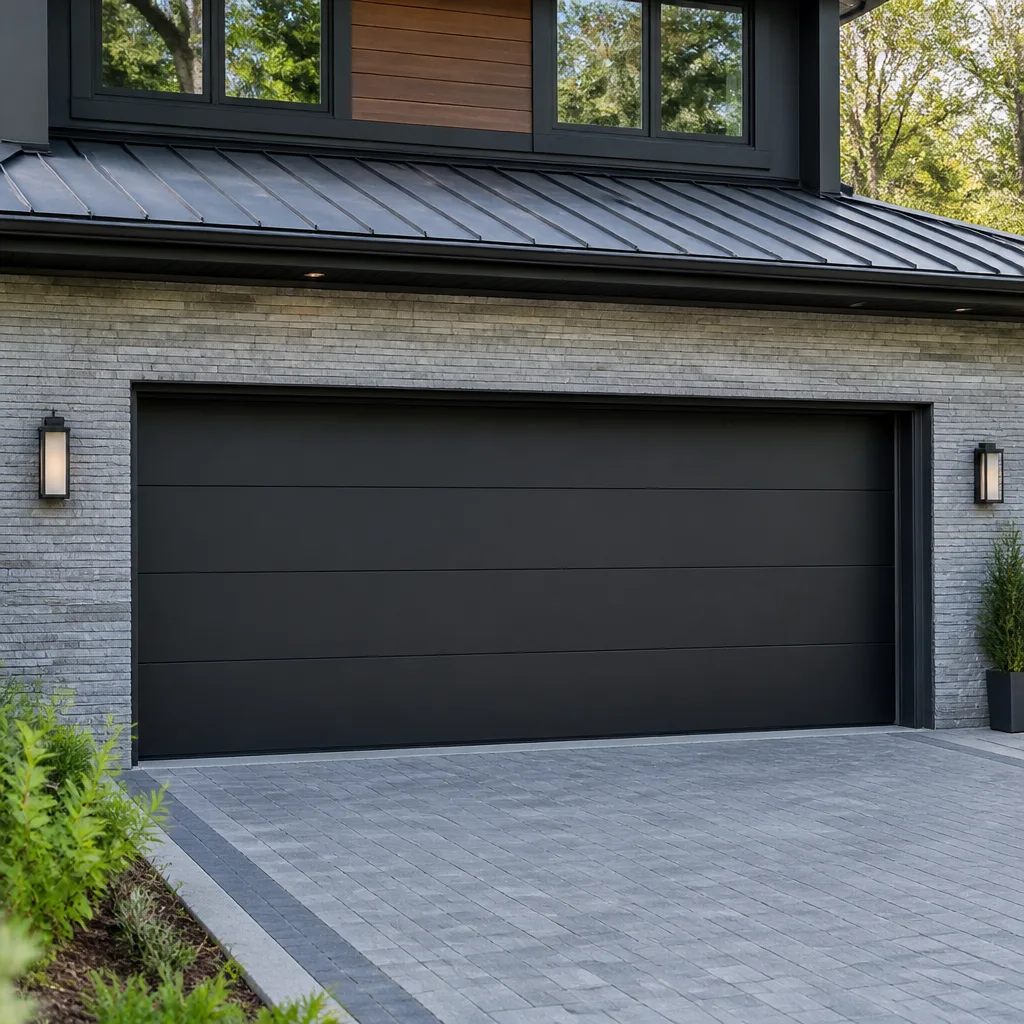 Modern flush
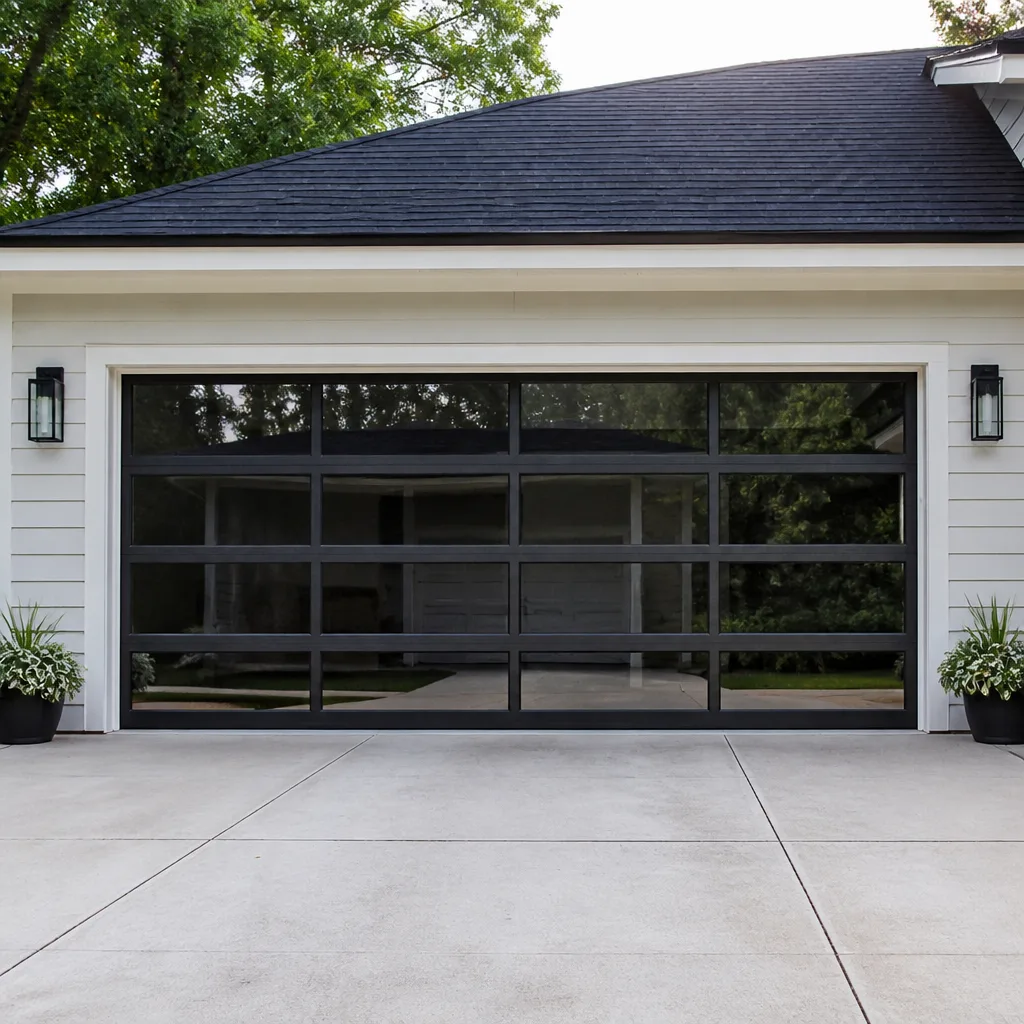 Full-view glass
 LiftMaster openers
 Chamberlain openers
Full 25-point door and opener safety check with every visit - springs, cables, rollers, tracks, and your LiftMaster or Chamberlain opener included
You get a price before we start. It does not change when the pro arrives.
Get your free estimateGarage Door Permits, Codes & Inspections in Chicopee, MA: What You Need to Know
Replacing a garage door looks like a straight swap, and most of the time it is. But in Massachusetts, one small decision, like adjusting the header to fit a taller door or widening the opening by a few inches, can turn a no-permit job into a code-required inspection. That single shift is where a lot of Chicopee homeowners get caught, not when the door goes up, but years later when a buyer’s inspector, an appraiser, or a lender starts asking questions. The expensive part isn’t the work itself. It’s the paper trail that was never created.
We’ve walked into plenty of garages where the door works perfectly and the documentation doesn’t. This guide breaks down exactly what triggers a permit in Chicopee, how 780 CMR applies to a residential garage door installation, what a rough opening modification really means in permit terms, and what to have ready before you call the building department. Whether you’re installing a Clopay or Amarr carriage-house door or upgrading an opener, we’ll show you where the line sits between a simple replacement and a job that needs a stamped plan.
Quick Answer
In Chicopee, a garage door replacement that fits the existing opening with no structural changes generally does not require a building permit, but any modification to the rough opening, header, framing, or door size does. Under the Massachusetts State Building Code (780 CMR), a structural alteration to the garage opening is treated as construction work and needs a permit and inspection. When in doubt, ask the Chicopee building department directly before the install date, not after.
Styles & brands we work with
- Raised-panel steel
- Carriage house
- Modern flush
- Full-view glass
- LiftMaster openers
- Chamberlain openers
Table of Contents
- What triggers a garage door permit in Chicopee?
- How does the Massachusetts State Building Code (780 CMR) apply?
- What is a rough opening modification, and why does it matter?
- What happens if you skip a required permit?
- How do you work with the Chicopee building department efficiently?
- What does a garage door inspection actually check?
- How garage door permits affect resale and title in Chicopee
- What do permits and inspections cost in Chicopee?
What triggers a garage door permit in Chicopee?
A building permit is typically required in Chicopee when the garage door project changes the structure of the opening, not when it changes the door itself. A like-for-like replacement, same size door, same opening, same header, same tracks, is usually treated as routine maintenance and does not need a permit. The moment the framing, header, or rough opening changes, the job shifts into construction territory and needs a permit and inspection.
That distinction trips people up because the two situations can look nearly identical on paper. A homeowner replacing a 7-foot door with another 7-foot door is in the clear. A homeowner replacing that same 7-foot door with an 8-foot door to fit a taller vehicle is modifying the structural opening, and that needs a permit.
Here’s how we usually break down the scenarios:
- Like-for-like replacement, same size door: usually no permit needed. The door unit is swapped, the opening stays untouched.
- Replacing the door and the tracks with new same-size tracks: still no structural change, typically no permit.
- Changing door height or width: modifies the rough opening, needs a building permit and inspection.
- Replacing the header or any framing above the opening: structural work, needs a permit.
- Converting a manual door to an automatic opener on the existing door: generally no permit, as this is electrical work tied to the door, not a structural change.
- Adding a new garage door opening where none existed: definitely a permit. That’s new construction.
- Adding a high-lift or low-headroom track configuration: if the new hardware requires new framing or a counterbalance change that alters mounting points, ask the city about permit requirements. Some configurations are purely a hardware swap; others need framing.
If you’re not sure which category your project falls into, the safest move in Chicopee is to call the building department with the exact door dimensions and a description of any framing changes. A two-minute phone call usually settles it.
How does the Massachusetts State Building Code (780 CMR) apply?
The Massachusetts State Building Code, known as 780 CMR, governs residential construction across the Commonwealth, including Chicopee. The sections that matter most for a garage door installation are the ones covering structural alterations, the building envelope, and the minimum requirements for a habitable structure. In plain terms, if the work changes the structure of the wall assembly the door sits in, 780 CMR applies and the work is subject to permitting and inspection.
A like-for-like door replacement usually sits outside the code’s structural provisions because the wall assembly isn’t being altered. But that doesn’t mean the code ignores the door entirely. The code touches garage door work in a few places:
Header and lintel
The header above a garage door carries a significant load from the wall above. If a door installation requires cutting, notching, or replacing that header, the work is structural and the code’s provisions for load-bearing members apply. That means a permit, drawings if required, and an inspection after the header is framed and before it’s closed up.
Fire separation
If a garage shares a wall or ceiling with a habitable portion of the home, code provisions for fire separation apply to that shared assembly. A garage door replacement that touches the shared wall assembly can pull in that requirement.
Egress and ventilation
Attached garages with certain configurations need to maintain ventilation and separation from living space. Door work that changes how the garage is sealed or ventilated can intersect with these provisions, though a straight replacement usually doesn’t.
None of this is meant to scare you off a project. It’s meant to answer the question Chicopee homeowners ask most: does the code care about my garage door? The answer is yes, when the door work involves the structure, and no, when it’s a genuine swap. The Massachusetts State Building Code is enforced locally through the Chicopee building department, so when in doubt, that’s the office to call.
What is a rough opening modification, and why does it matter?
A rough opening is the framed hole in the wall where the garage door sits. It has a specific width, height, and squareness, and the garage door and its tracks are designed to fit inside it. A rough opening modification is any change to that framed opening, and it’s the single most common trigger for a permit on a garage door project in Chicopee.
Homeowners often assume a “slightly bigger door” is no different from replacing a window with the same size window. It’s not. Cutting the header, adding framing to the sides, or raising the top plate are all structural alterations. Each one requires a permit and an inspection.
Why rough opening modifications are more common than homeowners expect
Three things drive most rough opening modifications in Chicopee garages:
- Older homes with nonstandard openings. A lot of Chicopee housing stock was built when garage openings were sized differently than modern doors. Homeowners buying a new Clopay or Amarr door sometimes find the standard size doesn’t match the opening, and the fix is either custom-sizing the door (no structural change) or enlarging the opening (permit required).
- Vehicle size changes. A taller vehicle pushes some homeowners toward a taller door. Raising the opening is a structural change.
- Rot or settling in the framing. When we open up a wall and find deteriorated framing around the opening, repairing it correctly may cross into structural work. Some of that can be repaired like-for-like, but replacement of a load-bearing member is permit-required work.
What “modification” looks like in permit terms
From the building department’s perspective, a rough opening modification is any of the following:
- Cutting, notching, or replacing any part of the header
- Adding or removing framing members on the sides
- Changing the height or width of the opening by any amount
- Modifying the wall assembly around the opening in a way that affects load transfer
If your project falls into any of these, the work needs a permit. If it doesn’t, and you’re simply swapping the door unit into the existing opening, you’re likely clear.
What happens if you skip a required permit?
Nothing happens the day the door goes up. That’s the problem. The cost of an unpermitted structural modification doesn’t show up at installation. It shows up years later, usually at the worst possible time.
Here’s what a missing permit can cause when a rough opening modification was completed without one:
- Failed home inspection at resale. A buyer’s inspector will flag an unreported structural modification, and the sale can stall while you and the buyer negotiate how to fix it. In a market where buyers are already scrutinizing every detail, an unpermitted opening is a red flag that can cost you a sale or force a price reduction.
- Lender issues. Many mortgage lenders require the property to meet code compliance as a condition of the loan. An unpermitted structural alteration can trigger a lender hold, an appraisal problem, or a requirement to bring the work up to code before closing. That can kill a deal outright.
- Insurance claim complications. If a future claim touches the garage opening, whether from wind damage, vehicle impact, or a structural failure, an insurer can question whether the unpermitted alteration contributed. That’s not a guaranteed denial, but it’s a conversation nobody wants to have.
- Retroactive permitting headaches. Getting a permit after the fact is possible but usually costs more, requires opening walls to show the work, and can involve a stop-work order in the meantime.
The gap between “no permit needed” and “permit required” is narrow, and it’s mostly defined by whether the structure changed. When you’re not sure, asking the Chicopee building department is cheap; skipping the question can cost far more.
How do you work with the Chicopee building department efficiently?
The Chicopee building department is the office that issues permits and inspections for residential construction in the city. Working with them efficiently comes down to preparation. A good contractor should already have most of what’s needed ready before the conversation starts, so the process moves in a few days instead of a few weeks.
What to have ready before you call
- Door specifications. Manufacturer, model, and exact dimensions of the new door, including the rough opening requirement from the spec sheet.
- Photos of the current opening. Wide shots and close-ups of the header and framing give the department a quick read on whether the project is structural.
- A description of any framing changes. Not “we’re raising it a bit,” but “the header needs to move up X inches to accommodate the door height.” Vague descriptions slow everything down.
- The plan or drawing, if required. For structural modifications, the department may require a drawing or plan showing the proposed framing. A contractor who’s done this before will know what the plan needs to show.
- Contractor registration and license information. The licensed local professional performing the work is registered as required by the state, and that documentation should be ready to attach to the permit application.
How the application typically flows
- Confirm whether a permit is needed. A phone call to the building department with the door specs and a description of the framing settles this in most cases.
- Submit the application. If a permit is required, the application goes in with the door specs, plans, and contractor info.
- Get the permit before work starts. Work on a permitted project can’t begin until the permit is issued. A professional contractor will build the permit timeline into the schedule.
- Call for the inspection. When the framing stage is complete, the department inspects before the work is closed up. After that, the project can proceed to final inspection.
- Close the permit. A final inspection closes out the permit and updates the property record.
A contractor who has handled numerous permitted garage door installations in Chicopee knows exactly what the department wants and how to phrase the application. That fluency is worth more than it looks. The wrong description can slow a project down by weeks.
What does a garage door inspection actually check?
A garage door inspection tied to a permit focuses on the structure of the opening and the installation quality. It’s not a full-home inspection and it’s not a mechanical safety inspection of every moving part, though a thorough inspector will note obvious safety issues. The core purpose is to verify the structural work matches the permitted plans and that the door is installed correctly in the opening.
Here’s what an inspection typically covers:
- Framing and header. The inspector verifies the framing matches the approved plan, that the header carries the load as designed, and that the wall assembly meets code requirements for the size and weight of the door.
- Door installation. The door sits plumb and level, the tracks are aligned, and the door operates without binding.
- Attachment points. The hangers, brackets, and fasteners are the right size and the right type for the wall material. A garage door pulled out of drywall anchors is a serious failure waiting to happen; the inspector checks the fastening.
- Clearance and opening size. The opening matches the permitted dimensions and provides the clearances required by the door manufacturer.
- Fire separation, if applicable. For attached garages sharing a wall with the home, the inspection verifies the shared assembly meets code.
What the inspector is not doing is checking your opener’s balance or your spring tension. Those are mechanical concerns that a homeowner should address through an annual tune-up and any time a door suddenly behaves differently. We cover that kind of servicing through garage door repair when a door starts binding, jumping its tracks, or moving with a sudden change in feel.
A failed inspection is usually fixable. Most failures come from framing that doesn’t match the plan or fasteners that aren’t right for the wall, both of which a contractor corrects and calls back for reinspection. The point is to catch issues before the wall gets closed up, which is why the inspection sequence matters as much as the inspection itself.
How garage door permits affect resale and title in Chicopee
Here’s where the permit question really lives. The structural change you made to accommodate a taller garage door five years ago is invisible until it’s not, and at resale, it becomes very visible. A title problem doesn’t show up in the deed itself; it shows up in the paper trail, or the absence of one.
Chicopee’s housing market, like most of the Pioneer Valley, has a steady mix of older homes, renovated homes, and homes that were modified by prior owners. When a buyer’s attorney runs a title search and finds no permit for a structural change, the sale can slow or stall while the issue is resolved. That resolution can look like:
- Pulling a retroactive permit and inspecting the work, which can mean opening the wall to show the framing
- Negotiating a price reduction that covers the cost of future correction
- Having the work corrected to code before closing
None of those is cheap or fast. The other issue is that a lender who sees a permit gap may require it to be closed before funding. That puts the closing date in the hands of a scheduling process nobody wants to be waiting on.
There’s also a subtler issue with insurance. If a future claim touches the garage opening and the opener or door installation turns out to be tied to an unpermitted structural change, the claim review gets complicated. It’s not a guaranteed denial, but it’s a detail that changes how the claim gets handled.
The cost of pulling the permit up front, when the project is first happening, is usually a small percentage of the overall job. The cost of fixing it at resale is measured in time and negotiation leverage, not in permit fees. If you’re planning a garage door replacement in Chicopee and the opening is changing at all, build the permit into the plan from the start.
What do permits and inspections cost in Chicopee?
Permit fees for a residential garage door project in Chicopee are set by the city and are typically modest compared to the garage door work itself. The exact fee depends on the scope of the project and the valuation of the work, which is why the city publishes a fee schedule. Rather than guess at a number, the right move is to ask the Chicopee building department for the fee tied to your specific project valuation, and to confirm whether a plan review is required, since plan review adds a step and sometimes a fee.
What we can speak to directly are the garage door work ranges you should expect, with the note that every estimate we give is confirmed in writing before any work starts. A replacement door installation range depends on the door, the brand, and any modifications to the opening. A spring repair is a separate category entirely. Our article on garage door spring repair covers the current ranges for that work, and the pricing there is written out so you can compare.
What the written estimate should separate
A good estimate distinguishes:
- The door and hardware materials
- Installation labor
- Any framing or structural modification (which is the part that may trigger a permit)
- Permit fees, if the project requires a permit
- Disposal of the old door
If an estimate lumps all of those into one number, ask for the breakdown. It’s the best way to see what part of the cost is structural modification versus the door itself. It’s also the best way to make sure the permit process isn’t being quietly skipped to keep a bid low.
One more thing: if your opener needs work alongside the door, that’s a separate line item. We cover the current ranges for that on our garage door opener repair article, and it’s worth reading before you approve a quote that combines multiple categories.
Common Mistakes to Avoid
- Assuming the permit question is about the door, not the opening. The door is rarely the trigger; the opening is. Frame the question as “is my rough opening changing?” not “am I replacing my door?” before you call the Chicopee building department.
- Trusting a handyman’s opinion on permit requirements. A handyman is not a permit authority, and the answer that costs you the least up front isn’t always the correct one. Get the answer from the building department, not the person being paid to do the work.
- Skipping the permit because the door “fits just fine.” The door fitting doesn’t mean the structural change is compliant. In Chicopee, a garage door that works smoothly can still be a title problem hiding under a coat of paint.
- Not checking whether the plan review is required. Some structural modifications need a plan review, which adds steps. Show up to the permit application without the right drawings and you’ll be doing the process twice.
- Letting the contractor handle permits without confirming they’re actually pulling them. It’s rare, but we’ve heard of it happening, and the homeowner is the one who carries the consequence at resale. Ask for a copy of the issued permit and inspect card.
- Forgetting that attached garages bring fire separation into play. A door replacement in a garage sharing a wall with living space can pull in fire separation requirements. Ask before assuming the project is simple.
- Not documenting the work. Save the door spec sheet, the permit, and the final inspection paperwork. When you sell, those documents are what separate a smooth closing from a stall.
- Assuming a big-box installer has the permit covered. Big-box installers handle their own scope, but the permit is a separate question if the opening is being modified. Ask specifically.
See the difference
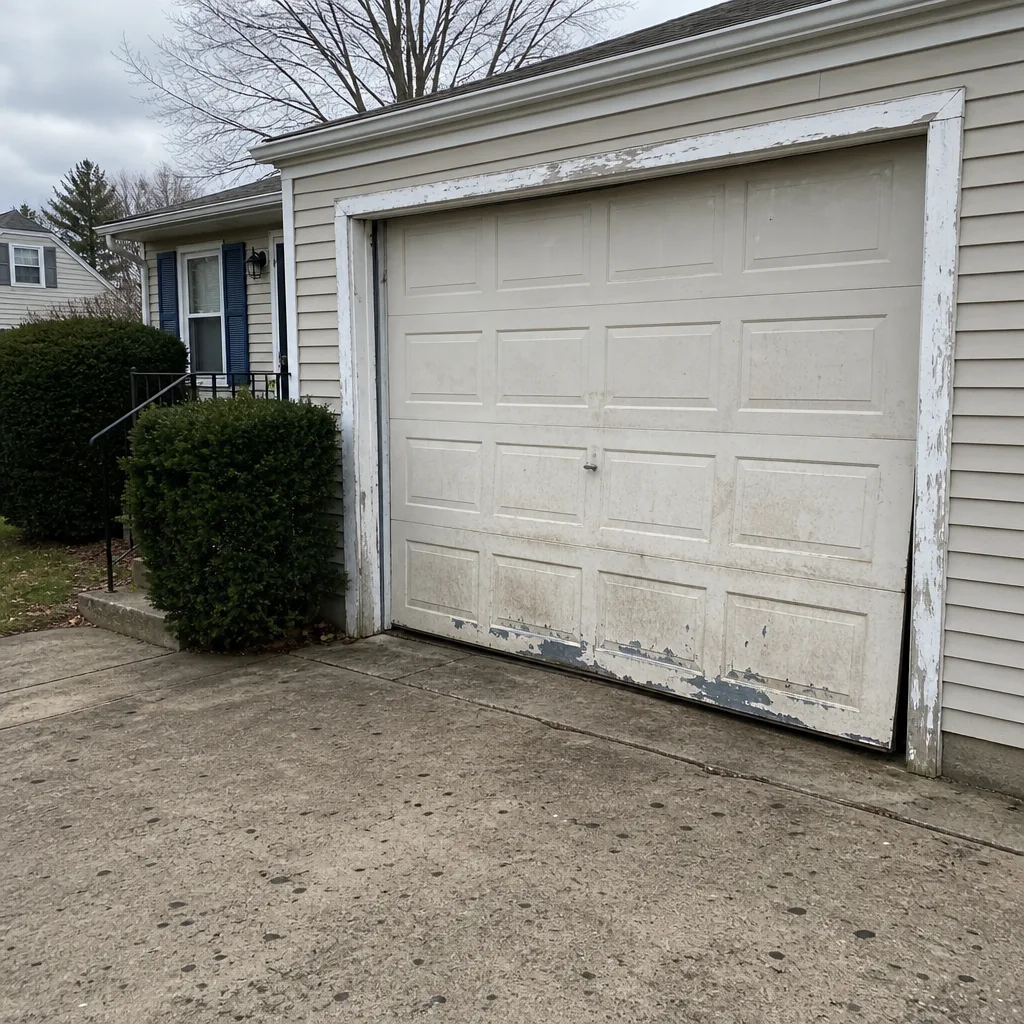 Before
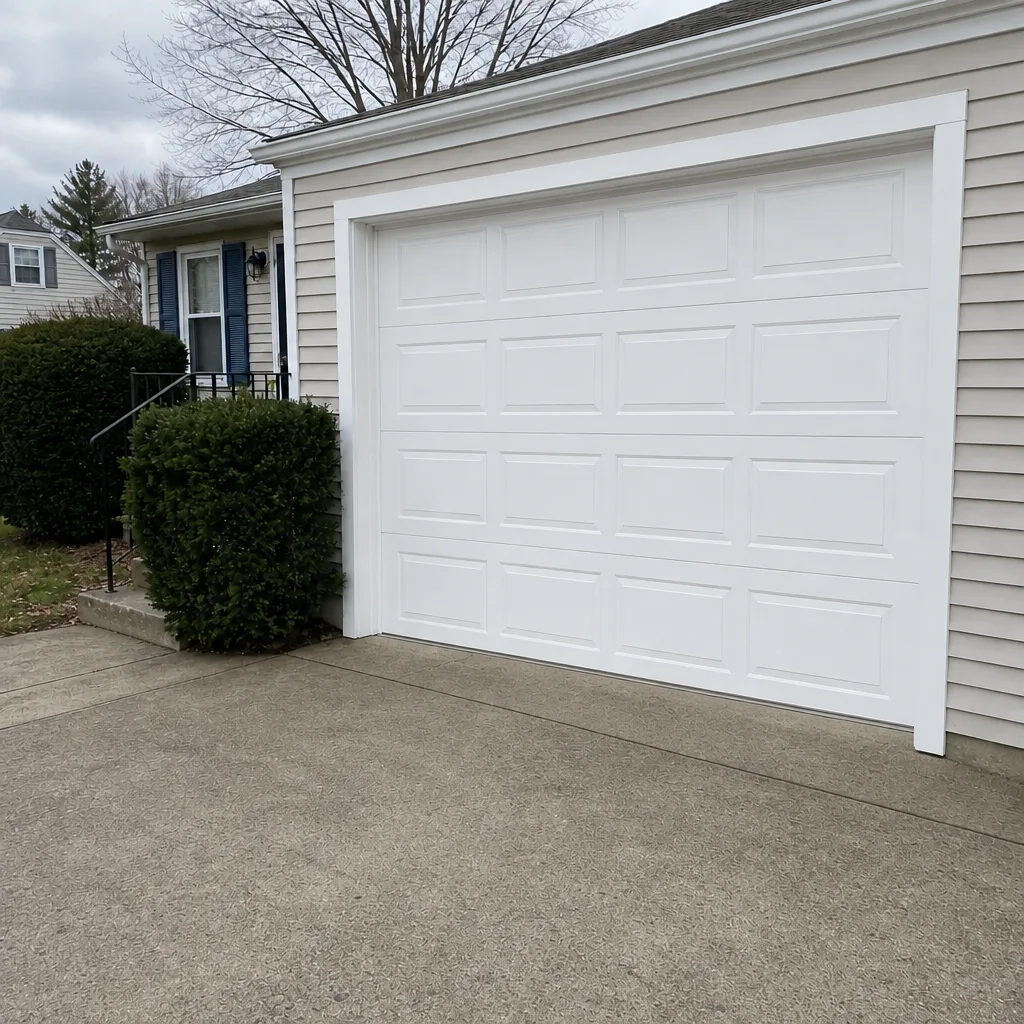 After
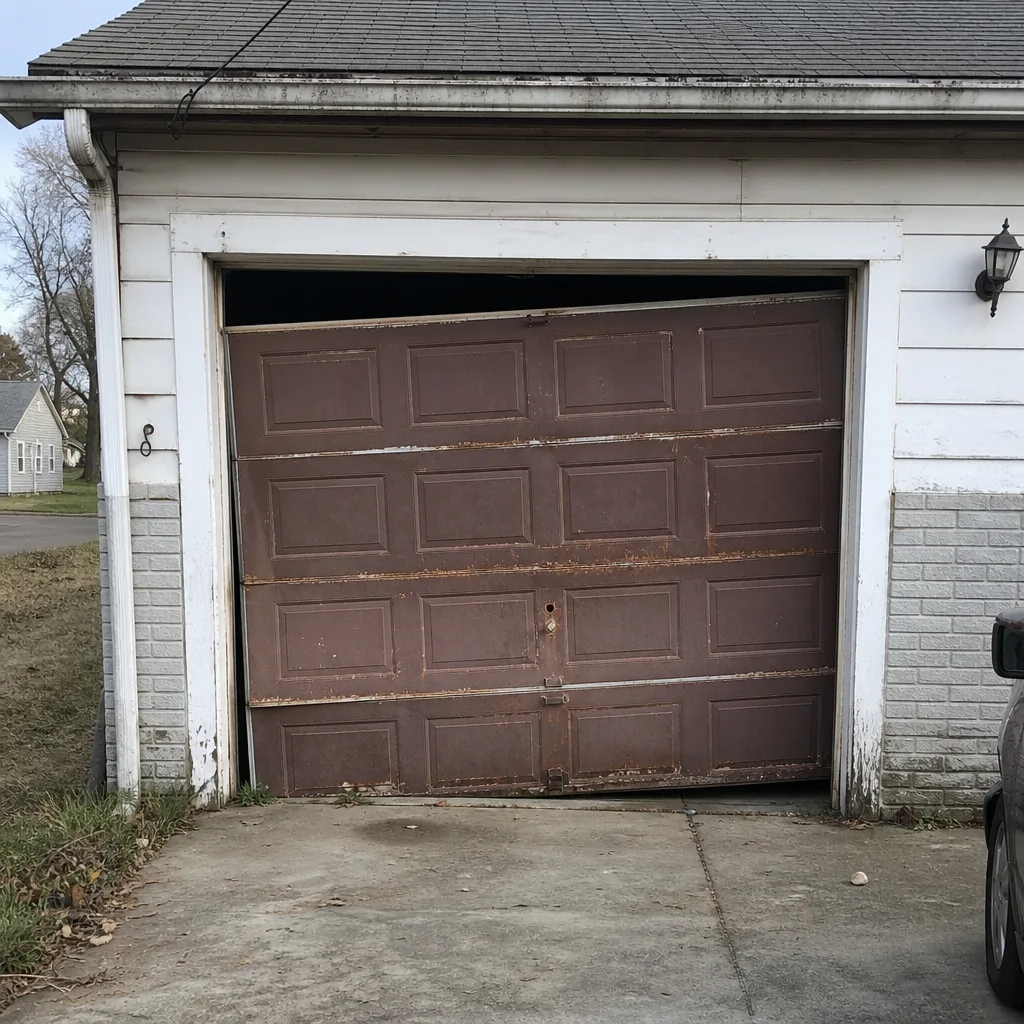 Before
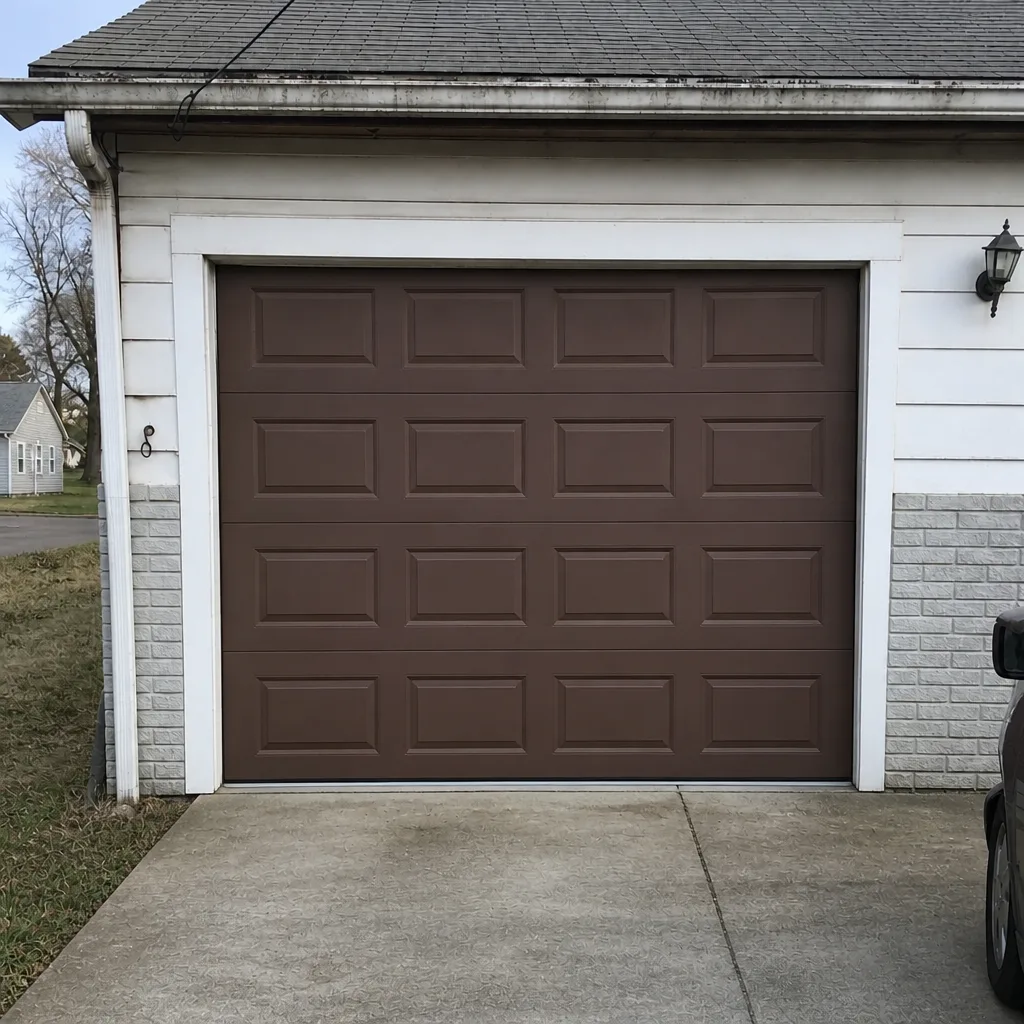 After
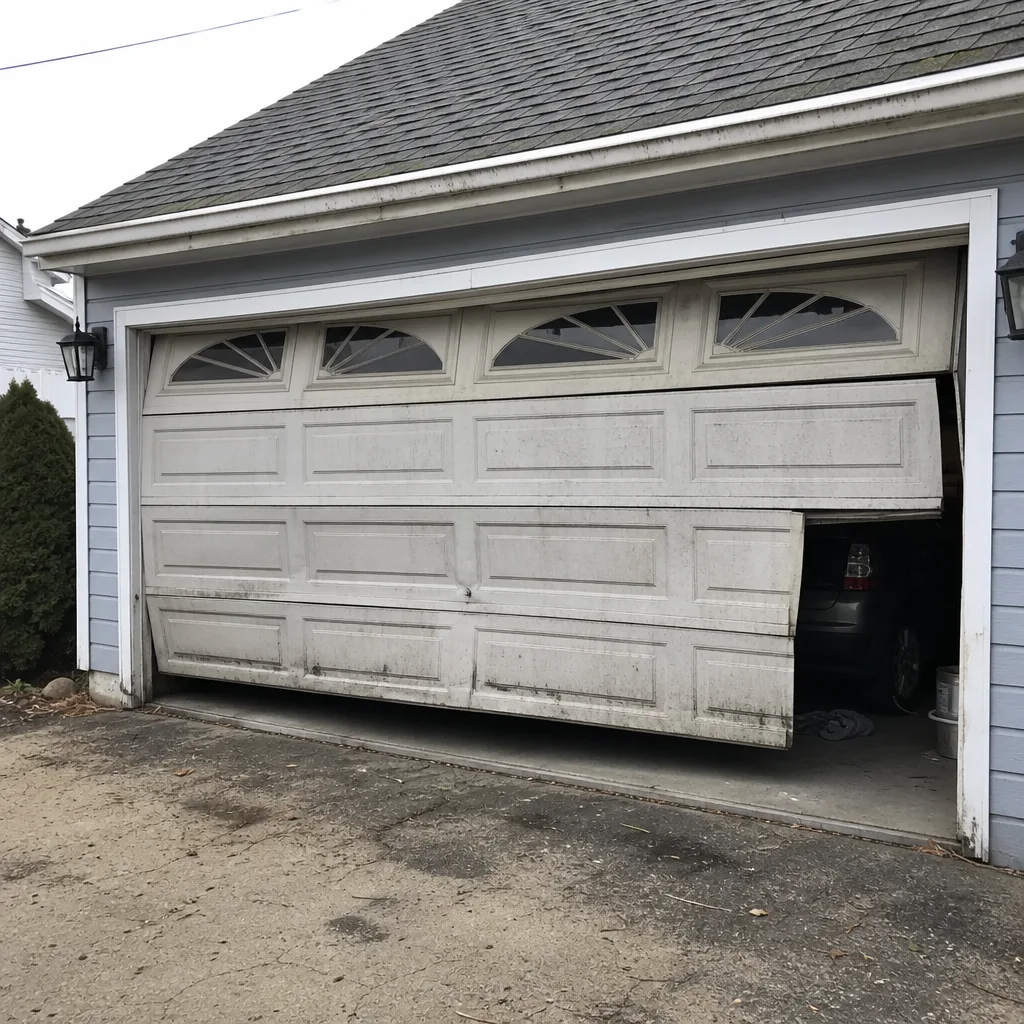 Before
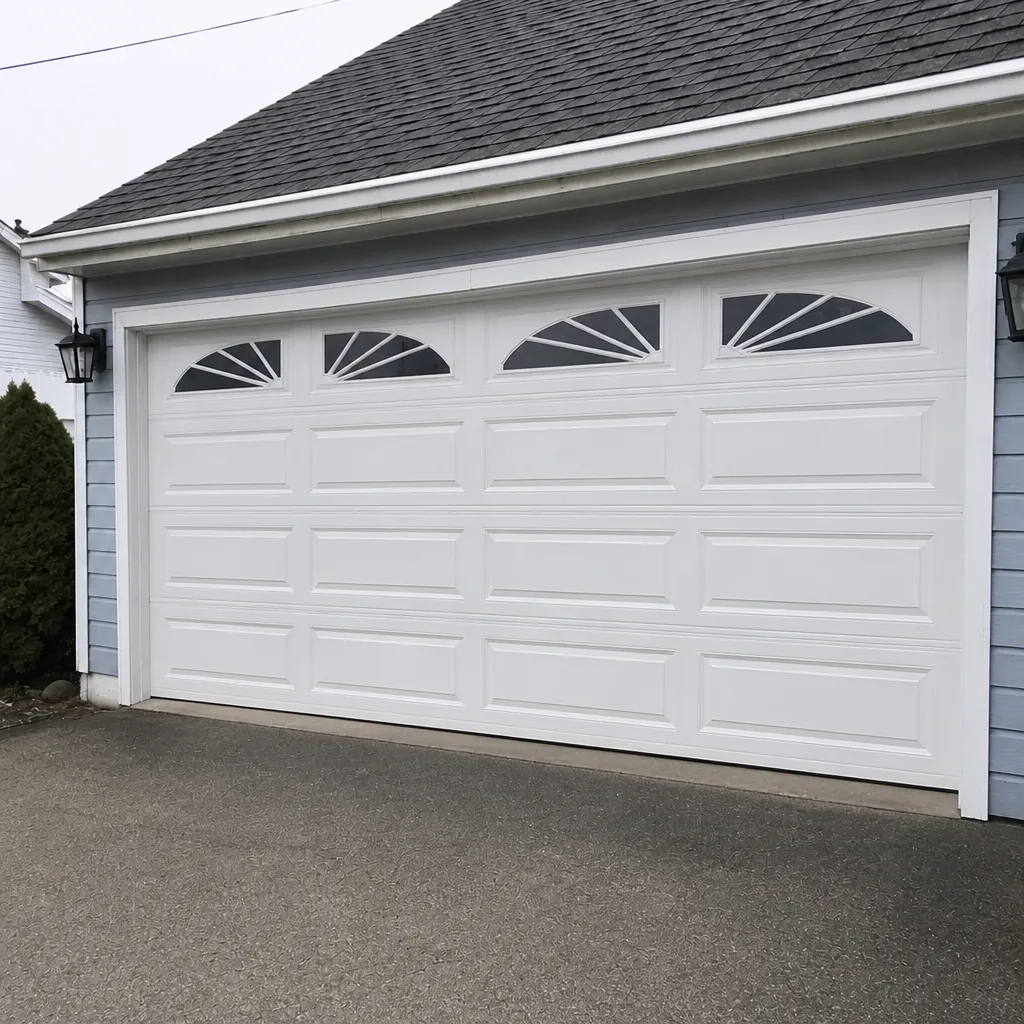 After
When to Call a Professional
If your project involves any structural modification to the garage opening, whether you’re fitting a taller Clopay or Amarr door, repairing framing around the opening, or raising the header for a Genie or Chamberlain opener configuration, it’s time to bring in professional help. The line between like-for-like replacement and structural work is narrow, and a licensed local professional who works with the Chicopee building department regularly will know which side of it your project sits on before any price is agreed. They should also be able to show what the permit process requires for your specific door and opening, and to provide the written estimate that separates labor, materials, structural work, and permit fees. Chicopee Door Repair Pros offers free estimates in Chicopee, and our technicians have up to 15 years of experience working with the brands that are already in your garage. Call (855) 658-4190 to talk through your project and find out whether a permit is part of the picture.
Frequently Asked Questions
Only if the project involves structural changes to the rough opening, header, or framing. A like-for-like replacement of the same size door in the existing opening typically does not require a permit. Anything that changes the size of the opening, raises the header, or adds framing is a structural alteration under 780 CMR and needs a permit and inspection. Call (855) 658-4190 and we’ll help you figure out which category your project is in, and estimates are free.
Yes, but only when the work touches the structure of the opening, the fire separation between an attached garage and living space, or another code-governed element. A straight replacement of the door unit doesn’t trigger 780 CMR on its own. Structural alterations to the opening do. The Chicopee building department enforces the code locally, and they can confirm whether your specific project falls under it.
A rough opening modification is any change to the framed hole in the wall where the garage door sits, including raising the top of the opening, widening it, or changing the framing members around it. It affects permits because a rough opening modification is a structural change, and structural changes fall under the Massachusetts State Building Code. Most homeowners don’t realize their project involves a rough opening modification until a contractor points it out. Ask before approving the estimate.
Nothing happens at installation, but the consequences surface at resale, during refinancing, or in a future insurance claim. A buyer’s inspection can flag the unpermitted work and stall the sale, a lender can require the permit to be closed before funding, and an insurance claim that touches the opening can be complicated by the unpermitted structural change. The fix is usually pulling a retroactive permit and showing the framing, which costs more than doing it correctly the first time. Call (855) 658-4190 before the work starts and we can walk through whether your project needs a permit.
Measure the existing opening and compare it to the specification sheet for the new door. If the two match and no framing is being changed, you’re likely in the no-permit category. If the new door requires a larger opening, a different header height, or any framing changes, plan on a permit. When you’re unsure, call the Chicopee building department with the door spec sheet and a photo of the opening. A good contractor should already have that information ready for you.
It can, especially if a structural modification was made to the opening. A buyer’s attorney running a title search may find the permit gap, and resolving it during a sale is stressful and can force a price reduction or delay. If the work was a simple like-for-like replacement with no structural change, there’s usually nothing to find. If the opening was modified, get the permit pulled and closed before you list. Call (855) 658-4190 for a free estimate and a conversation about what your project actually involves.
The Bottom Line
The permit question on a Chicopee garage door project comes down to one word: structure. If the door is being replaced in the same opening with no framing changes, you’re usually in the clear. If the opening is being modified, even a little, a permit and inspection are part of the project, and getting them is far cheaper and less disruptive than fixing the situation at resale. Have the door specs, the framing description, and the contractor’s registration ready before you call the Chicopee building department, and don’t accept a bid that skips the permit line item on a structural project. If your door needs garage door repair or a full replacement, we can help sort out the permit question and the work in one call.
Contact Us
If you’re planning a garage door replacement in Chicopee and want to know whether a permit is part of the picture, call Chicopee Door Repair Pros at (855) 658-4190 for a free estimate. Our technicians have up to 15 years of experience and work on LiftMaster, Chamberlain, Genie, Clopay, Amarr, Wayne Dalton, Craftsman, and Raynor systems. We’ll confirm the scope, walk through whether the opening is changing, and give you a written estimate that separates labor, materials, structural work, and permit fees, so the price you agree to before work starts is the price you pay. Visit Chicopee Garage Door Repair Pros for our full service list, and call today to schedule a free estimate.
Written by the team at Chicopee Garage Door Repair Pros.