Last updated November 23, 2026
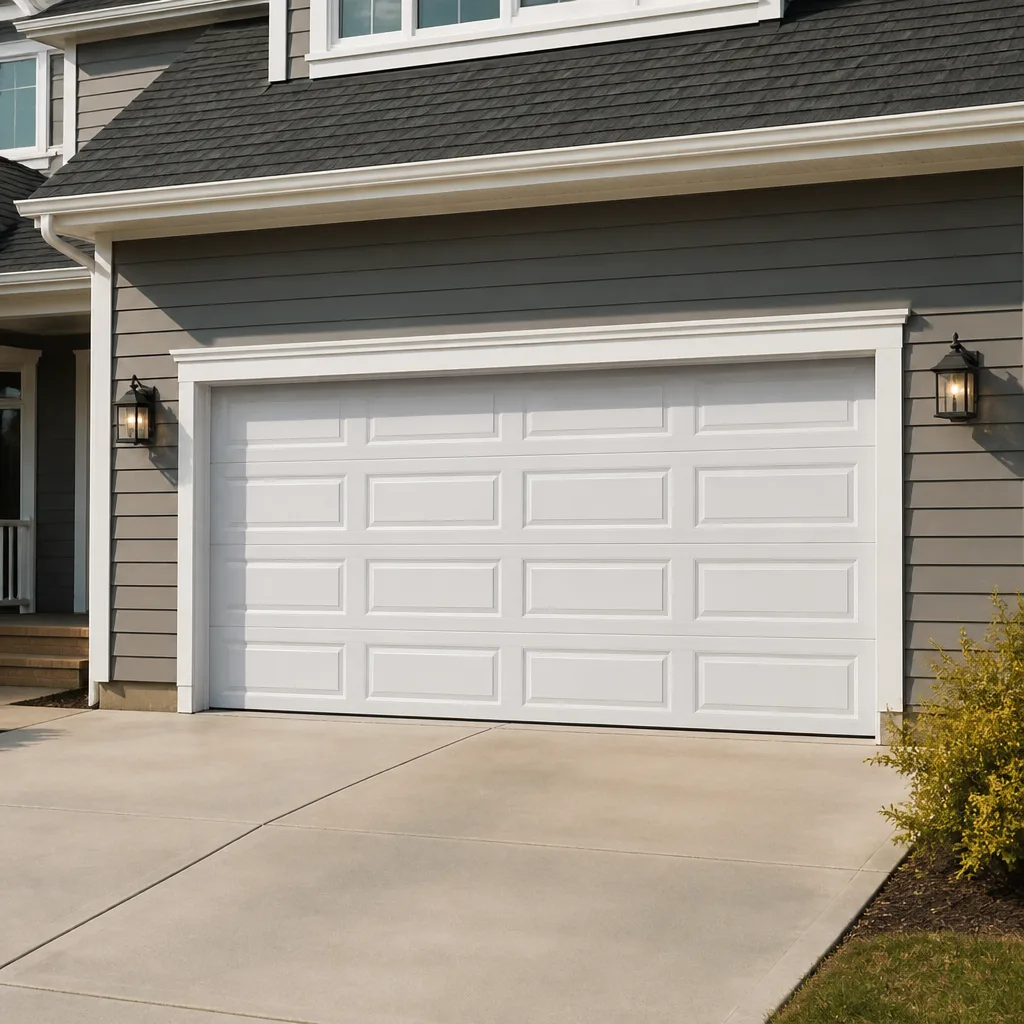 Raised-panel steel
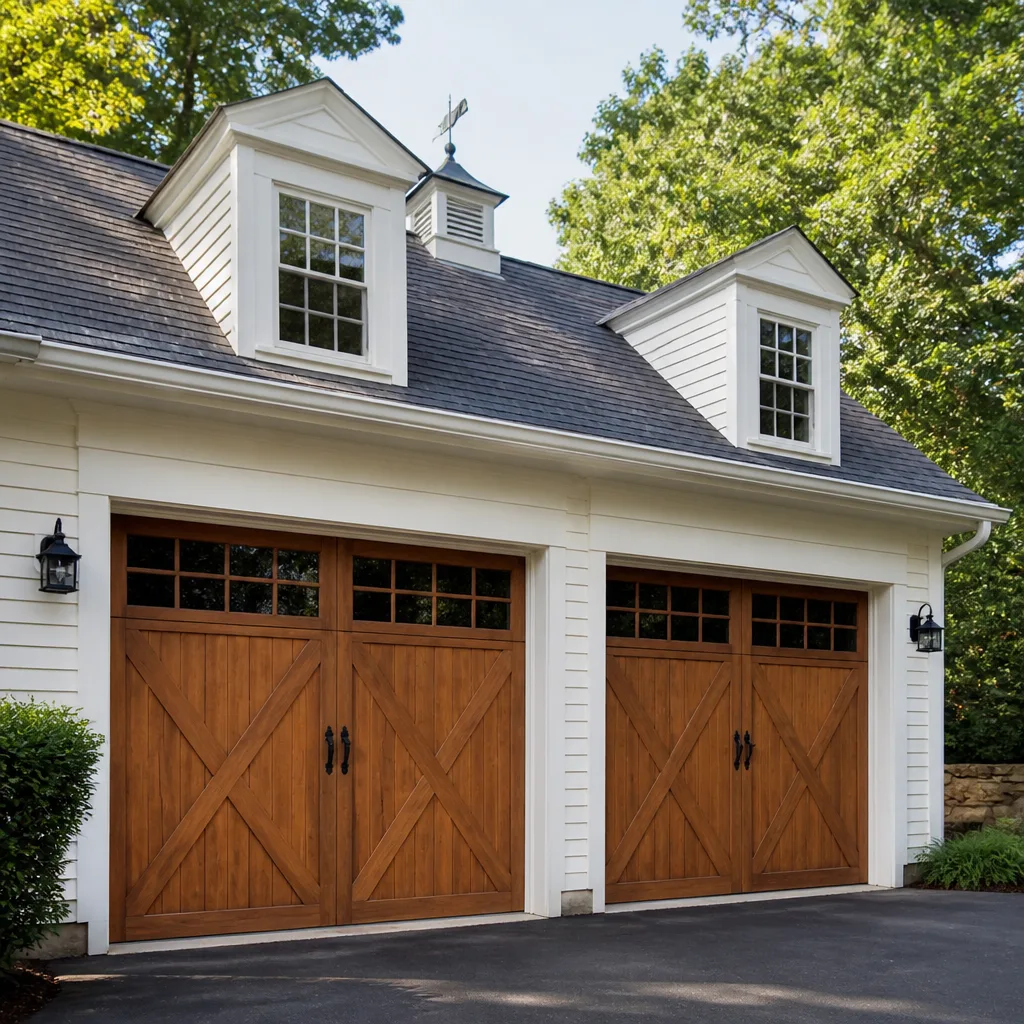 Carriage house
 Modern flush
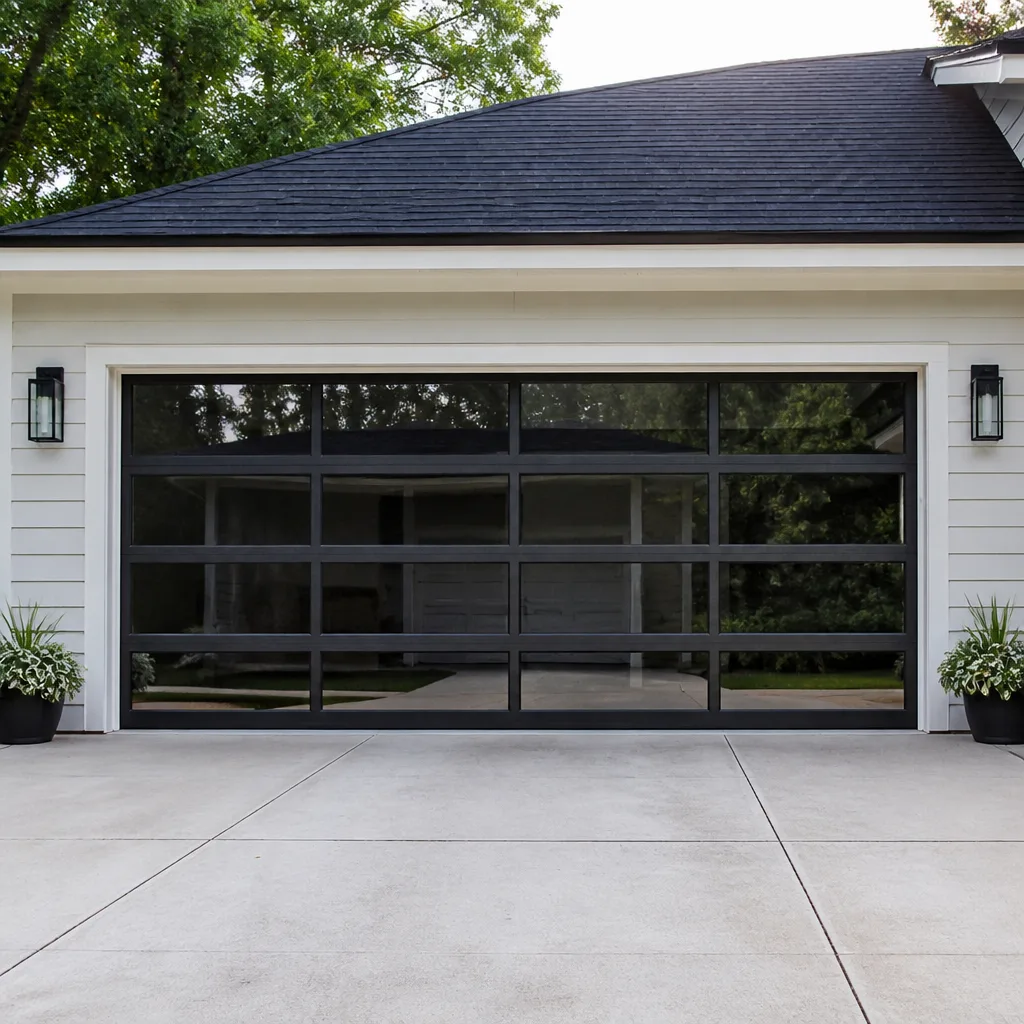 Full-view glass
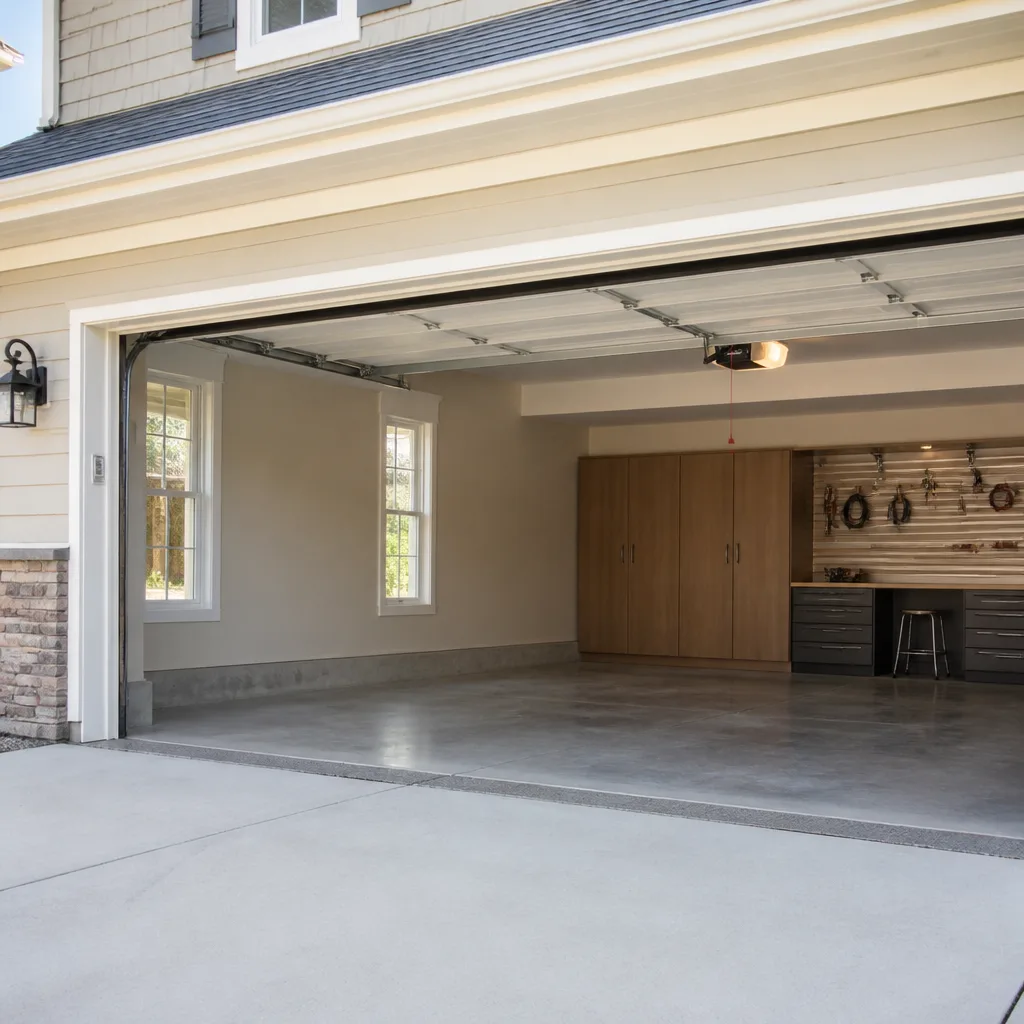 LiftMaster openers
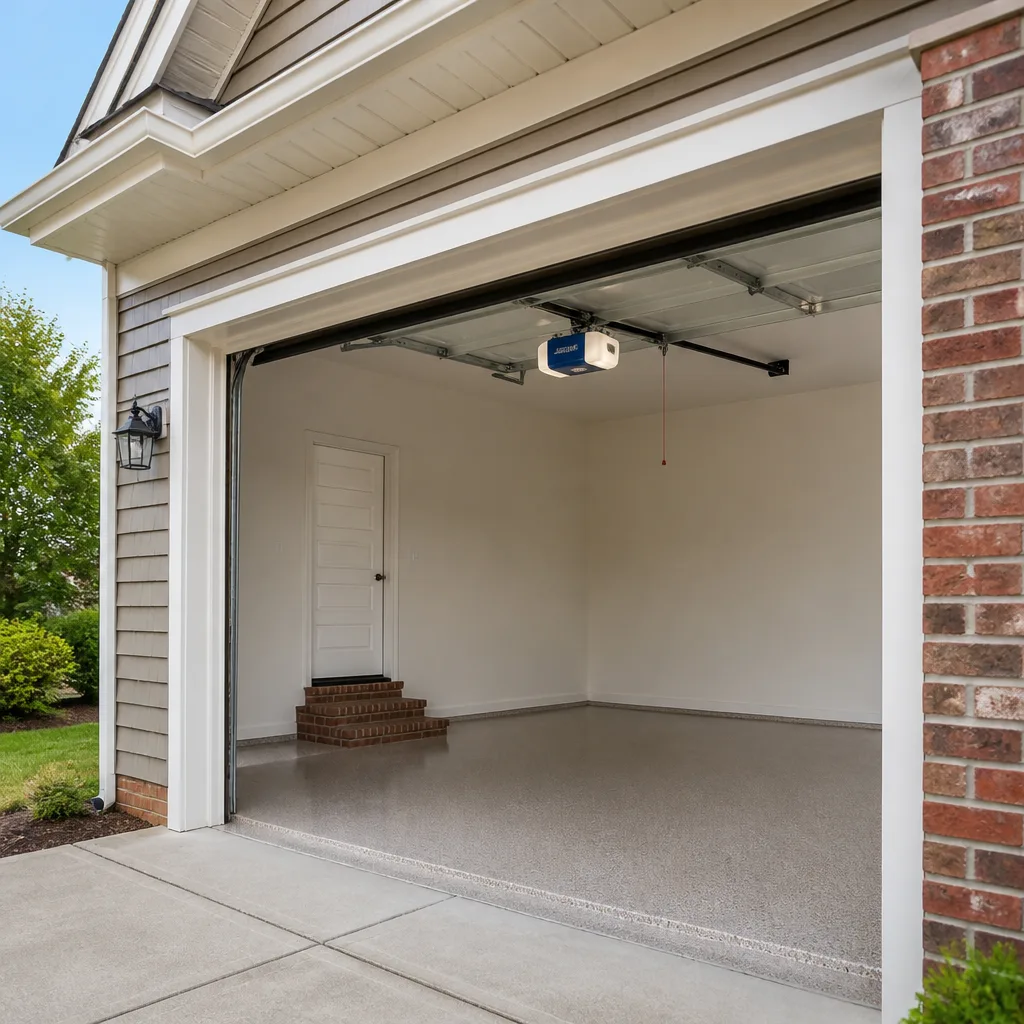 Chamberlain openers
Full 25-point door and opener safety check with every visit - springs, cables, rollers, tracks, and your LiftMaster or Chamberlain opener included
You get a price before we start. It does not change when the pro arrives.
Get your free estimateHow to Hire a Garage Door Contractor in Chicopee: A Step-by-Step Guide
Most homeowners in Chicopee pick a garage door contractor the same way they pick a plumber: call the first three who answer, take the middle quote, hope for the best. For a clogged drain that works. For a garage door, it’s risky. A torsion spring holds enough stored energy to break bones if it’s wound to the wrong tension, and a handyman who guesses at spring size can leave you with a door that won’t balance, a motor that burns out early, or worse. This guide shows you how to filter out the generalists and ask the questions that separate a real garage door specialist from someone who owns a truck and a drill. You’ll learn what to verify before any work starts in Chicopee, how to read a written quote, and what a confident technical answer sounds like.
Quick Answer
Hiring a garage door contractor in Chicopee comes down to three things: verify Massachusetts home improvement contractor registration, ask specific technical questions only a specialist can answer (spring size, door weight, cable drum match), and get a written quote with labor and parts broken out separately. A contractor who hesitates on the technical questions, won’t put their registration number in writing, or bundles everything into one number is one to skip. Price matters, but it’s the last filter, not the first.
Styles & brands we work with
- Raised-panel steel
- Carriage house
- Modern flush
- Full-view glass
- LiftMaster openers
- Chamberlain openers
Table of Contents
- Why garage door work is different from general handyman work
- The five technical questions to ask before you get a quote
- Massachusetts HIC registration: what it means and how to check it
- How to read a garage door quote line by line
- Labor warranties vs. parts warranties: why both matter
- Why the lowest spring price is the riskiest choice in Chicopee
- A six-step process for vetting a contractor
- Common mistakes to avoid
Why Garage Door Work Is Different from General Handyman Work
A garage door is a counterbalanced system, not a static object. Springs store the energy to lift the door; cables, drums, and rollers carry the load; the opener applies force on top of all of it. Get the balance wrong and the opener works twice as hard, the cables wear faster, and the door can drop or come off its tracks. That’s the technical reason a garage door specialist isn’t interchangeable with a handyman, and it’s what most price-shopping misses.
There are also code-related safety features that are specific to overhead doors. Photoelectric eyes and a reversing mechanism are required on openers under federal rules, and many Chicopee homes have had an opener replaced without those sensors being re-aimed correctly or the door’s force-setting being calibrated afterward. That’s a safety issue, not a cosmetic one. We see it on a lot of the older doors in Chicopee, especially in neighborhoods with housing from the 1950s through 1980s where the original opener has been swapped once or twice since.
What separates a specialist from a generalist in practice:
- A specialist asks you the door’s weight or measures it, and knows that torsion springs are sized by wire gauge, inside diameter, and length, not by “what fits.”
- A specialist carries or can source the right parts for the brand already on the door: LiftMaster, Chamberlain, Genie, Clopay, Amarr, Wayne Dalton, Craftsman, Raynor.
- A specialist knows the difference between a broken spring, a cable that jumped a drum, and a bent track, because the symptoms look similar to a homeowner.
- A generalist often replaces the whole opener when the problem is a stripped gear, a bad capacitor, or a misaligned sensor.
Chicopee’s climate adds a wrinkle. Freeze-thaw cycles in western Massachusetts work on the door’s seals and hardware year after year. Bottom weather seals harden and crack, hinges loosen, and rollers wear a flat spot. A contractor who can spot those before they cause a cable failure saves you a bigger repair later. For an overview of what we handle, see our Chicopee Garage Door Repair Pros.
The Five Technical Questions to Ask Before You Get a Quote
A confident answer to these is the fastest screen you have. A contractor who works on garage doors every day can answer these without breaking stride. If they can’t, they’re guessing, and on spring work, guessing is dangerous.
- “What size torsion spring does my door need, and how are you determining that?” The right answer involves wire gauge, inside diameter, and length, plus the door’s weight and the cable drum’s radius. The red flag is “whatever’s on the truck” or “the standard size.”
- “Is this a torsion or extension spring system, and does the difference change how you repair it?” Torsion springs run along a shaft above the door; extension springs run along the sides. They fail differently, and the repair procedure changes with the type. Anyone who treats them the same is a generalist.
- “What brand is my opener, and can you service it?” A specialist who works across LiftMaster, Chamberlain, and Genie systems answers from the model number on the head unit. A red flag is “we only service one brand.”
- “How do you check the door’s balance and force settings after the repair?” The answer should mention releasing the opener and manually lifting the door to test balance, and adjusting the force limits afterward. That’s not padding; it’s the difference between a repair that holds and one that strains the motor.
- “Are the parts you’ll use OEM or aftermarket, and does it matter for my door?” For most residential work, quality aftermarket parts are fine. The point is that they know the difference and will tell you which they’re using and why.
Two more that are worth asking, because they’re about the company, not the door:
- “Are you registered as a home improvement contractor in Massachusetts?” (More on that in the next section.)
- “Is the labor warranty separate from the parts warranty?” (More on that in the warranty section.)
Massachusetts HIC Registration: What It Means and How to Check It in 60 Seconds
Massachusetts requires home improvement contractors who do residential work over a dollar threshold to be registered with the Office of Consumer Affairs and Business Regulation. That registration is a consumer protection tool, not a marketing badge: it gives you a path to a formal complaint if the job goes wrong, and it requires certain disclosures about insurance and business identity. It’s the first thing to verify for any contractor doing more than minor repair work in Chicopee.
Here’s how to check it:
- Ask the contractor for their HIC registration number in writing, ideally on the written quote.
- Look up the number in the state’s online contractor registration lookup maintained by the Office of Consumer Affairs and Business Regulation.
- Confirm that the name on the registration matches the name on the quote and the name on the contract.
- Ask for proof of insurance and confirm the certificate lists the correct business name and a current policy period.
A few honest notes. Registration doesn’t guarantee quality, and an unregistered contractor might do fine work. But if you ever have a dispute, a registered contractor is the one with accountability. And a legitimate contractor won’t balk at the request. If someone gets defensive when you ask for a registration number, take that as your answer and move on.
Some garage door work, particularly a full replacement, may also require permits through Chicopee’s building department, depending on the scope. We can’t tell you what your specific job needs, but the right answer from a contractor is “let’s check with the city’s building department.” If they say “we never pull permits,” that’s a red flag.
How to Read a Garage Door Quote Line by Line
A good quote is itemized, and the itemization tells you what kind of operator you’re dealing with. Here’s what a well-built written estimate for common work typically looks like, with estimated ranges. These are typical, not exact; the written estimate is the real number, and we quote and agree on it before any work starts.
- Spring replacement, one spring: typically $180 to $340, with the spring, labor, and disposal of the old spring listed separately.
- Matched spring pair: roughly twice a single spring, since the pair is wound and balanced together.
- Cable replacement, per cable: typically $120 to $250, depending on drum condition and cable length.
- Roller replacement, per set: typically $90 to $180, with nylon vs. steel called out.
- Opener repair, depends on the fault: typically $95 to $300 for a repair, or $300 to $650 installed for a new opener, with the model named.
- Full door replacement: varies widely by door type, size, and brand (Clopay and Amarr are common residential choices here); ask for the door, hardware, and disposal as separate lines.
- Trip or diagnostic fee: some contractors charge one; if so, it should be stated up front and disclosed before you commit.
Red flags in a quote:
- One lump-sum line for a multi-part job with no breakdown of parts versus labor.
- No mention of the specific spring size, door model, or opener model.
- “Overhead” or “shop supplies” as a large line item with no explanation.
- Prices given verbally but not in writing, followed by pressure to start immediately.
- A price that’s dramatically below the market for spring work, which usually means a smaller or lower-tension spring than the door needs.
A quote you can read against the work you actually need is a quote you can trust. When we quote, the written estimate sets the final price, and any surprise found mid-job gets a call to you before we proceed, not a line item after.
Labor Warranties vs. Parts Warranties: Why Both Matter
Most garage door warranties are actually two separate things, and contractors often quote one and let the customer assume the other. Understand the difference before you sign.
- Parts warranty: covers the spring, cable, opener, or door if it fails within a set period. Usually manufacturer-backed, sometimes contractor-backed. Ask who honors it and for how long, and get the terms in writing.
- Labor warranty: covers the cost of a technician coming back out to do the work again. A spring with a one-year parts warranty and no labor coverage means you could pay full labor to fix the same part a second time.
Ask three specific questions: How long is the parts warranty? How long is the labor warranty? Are they in writing on the invoice or quote? A contractor confident in their work puts both in writing. If the answer is “the manufacturer handles it,” ask who the manufacturer is and whether that warranty covers labor. For spring repair specifically, ask if the spring itself is rated for cycles and what that cycle rating is; that number is the honest measure of how long it lasts.
There’s one more term to look for: whether the warranty is transferable if you sell the house. Not all are. It’s worth asking if you’re planning to move within a few years.
Why the Lowest Spring Price Is the Riskiest Choice in Chicopee
Springs are not a commodity in the way homeowners assume. A spring is sized by wire gauge, inside diameter, and length, and those dimensions are matched to your door’s weight and cable drum. A cheap spring is usually cheaper because it’s a smaller wire gauge or a shorter length than the door actually needs. It’ll hold up the door, and it’ll fail sooner than a correctly sized spring. It also forces the opener to work harder, which shortens the opener’s life.
That’s the statistical case against price shopping on spring work: the failure mode isn’t just “the spring breaks again.” It’s a door that’s out of balance, an opener under strain, cables wearing fast, and, in the worst case, a spring or cable letting go while someone is nearby. Springs store enormous tension, and this isn’t a DIY fix, no matter how confident you feel after watching a video.
What to look for instead of the lowest price:
- A written quote that names the spring size and the basis for it, not a “standard” spring.
- A matched pair quote when you have two torsion springs, because replacing one and leaving the other is a setup for the second failure.
- A cycle rating on the spring, so you know what you’re buying.
- A labor warranty alongside a parts warranty.
A correctly priced spring job in Chicopee is the one where the contractor can explain the sizing, quote a matched pair when it’s called for, and back the work in writing. For the full breakdown of that service, see our garage door spring repair. If you’re dealing with a snapped spring now, call us and we’ll give you a free estimate before any work begins.
A Six-Step Process for Vetting a Contractor
This is the sequence that covers the gaps most homeowners leave open. It takes about 20 minutes per contractor and saves hours of second-guessing later.
- Get two or three quotes, not one. One quote tells you nothing about the market. Three tells you where the range actually sits for your door type in Chicopee.
- Ask the five technical questions first. Before you talk price, find out if they can explain the system. If the answers are vague, the price doesn’t matter.
- Verify HIC registration and insurance. Confirm the name on the registration matches the name on the quote and contract, and that the insurance certificate is current.
- Read the written quote line by line. Confirm parts, labor, and disposal are separated, and that the spring size, door model, and opener model are named.
- Get labor and parts warranty terms in writing. Ask who honors each warranty and for how long, and ask whether it’s transferable.
- Confirm the payment schedule in writing. Never pay the full job up front. A deposit at signing and the balance after the job is the standard, and it should be written on the contract.
One Chicopee-specific note on timing: full replacement work involves measurement, ordering, and scheduling, so it’s not a same-day service. If you need a new door, ask when they can come out for a free measure and a written price. Repair work is different. If a spring snapped or the door won’t close, ask whether they offer emergency service, because a door that won’t close isn’t something you want to wait on. See our garage door repair page for what’s covered.
Common Mistakes to Avoid
- Hiring a handyman for spring work. Springs store enough tension to cause serious injury if wound incorrectly, and a handyman who hasn’t done hundreds of spring replacements doesn’t have the feel for it. This is the single riskiest shortcut in garage door service.
- Not asking for the HIC registration number. It’s the accountability mechanism that lets you file a formal complaint if the job goes wrong in Chicopee. It’s free to ask for and quick to verify.
- Taking the lowest quote on spring work. A price well below the typical range is a signal, not a bargain. It usually means a spring undersized for the door’s weight.
- Replacing the whole opener when a repair would do. A dead opener is often a bad capacitor, a stripped gear, or a misaligned sensor; all are repairs, not replacements. Ask for a diagnosis first.
- Assuming a parts warranty covers labor. They’re separate, and the labor side is the one that costs you when it comes time to use it.
- Not asking whether the spring will be replaced as a matched pair. On a two-spring door, replacing one and leaving the other running at full load is a setup for the second failure.
- Skipping the written quote. A verbal price is impossible to hold anyone to. The written estimate should set the final price, and it should be signed or emailed before work starts.
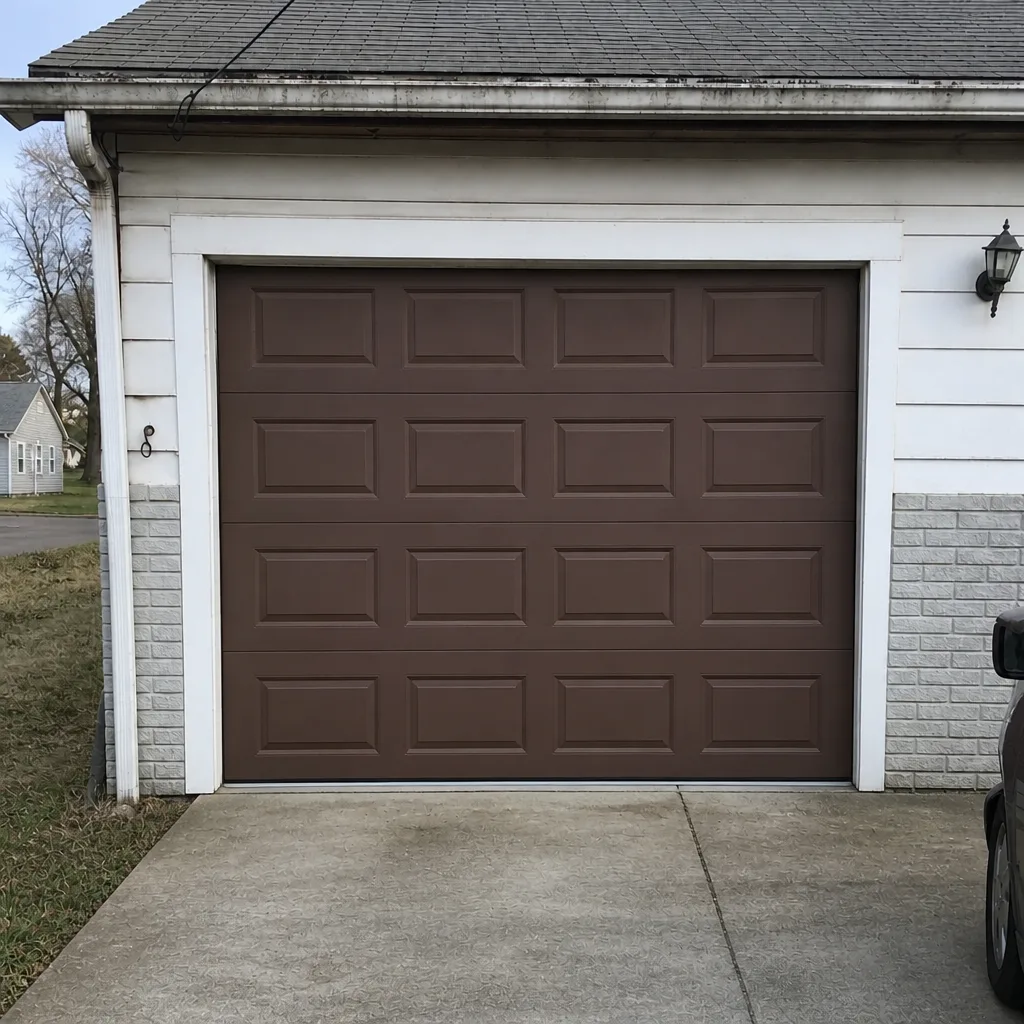
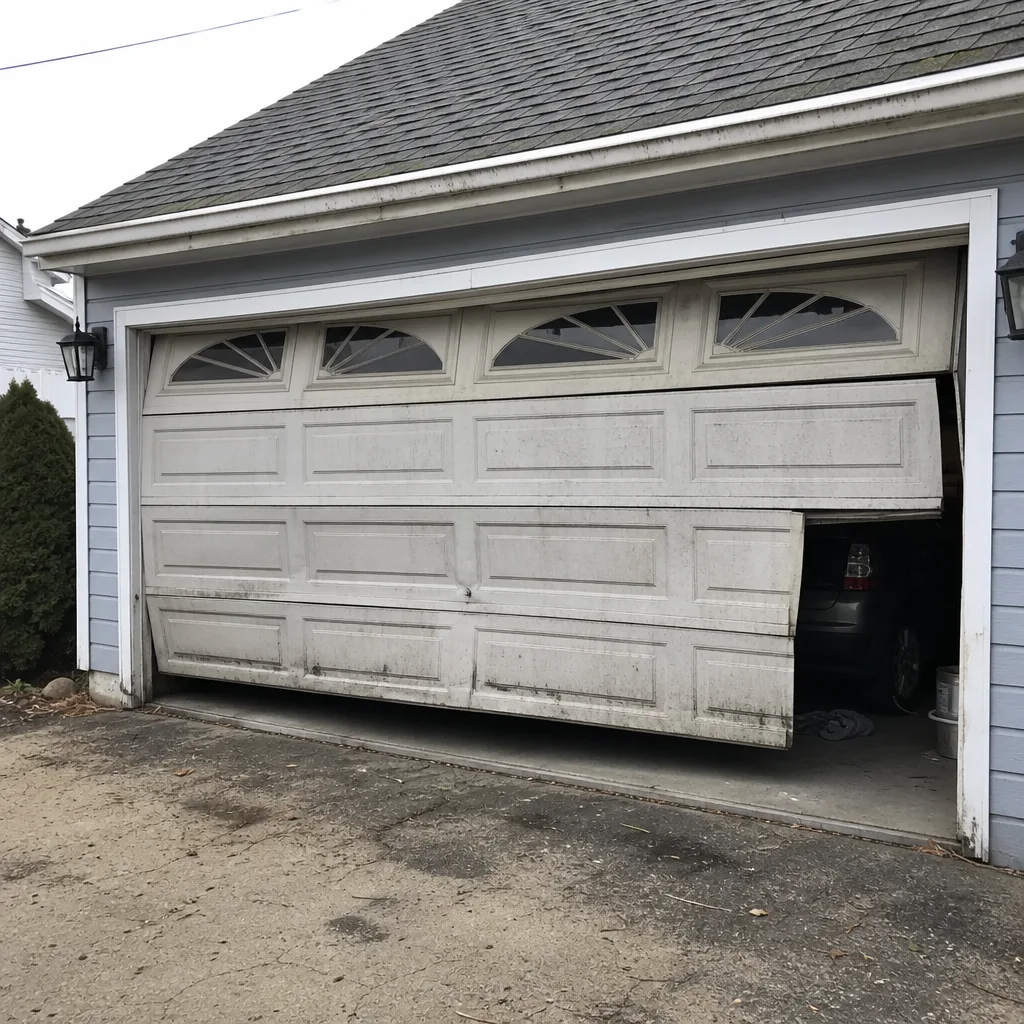
See the difference
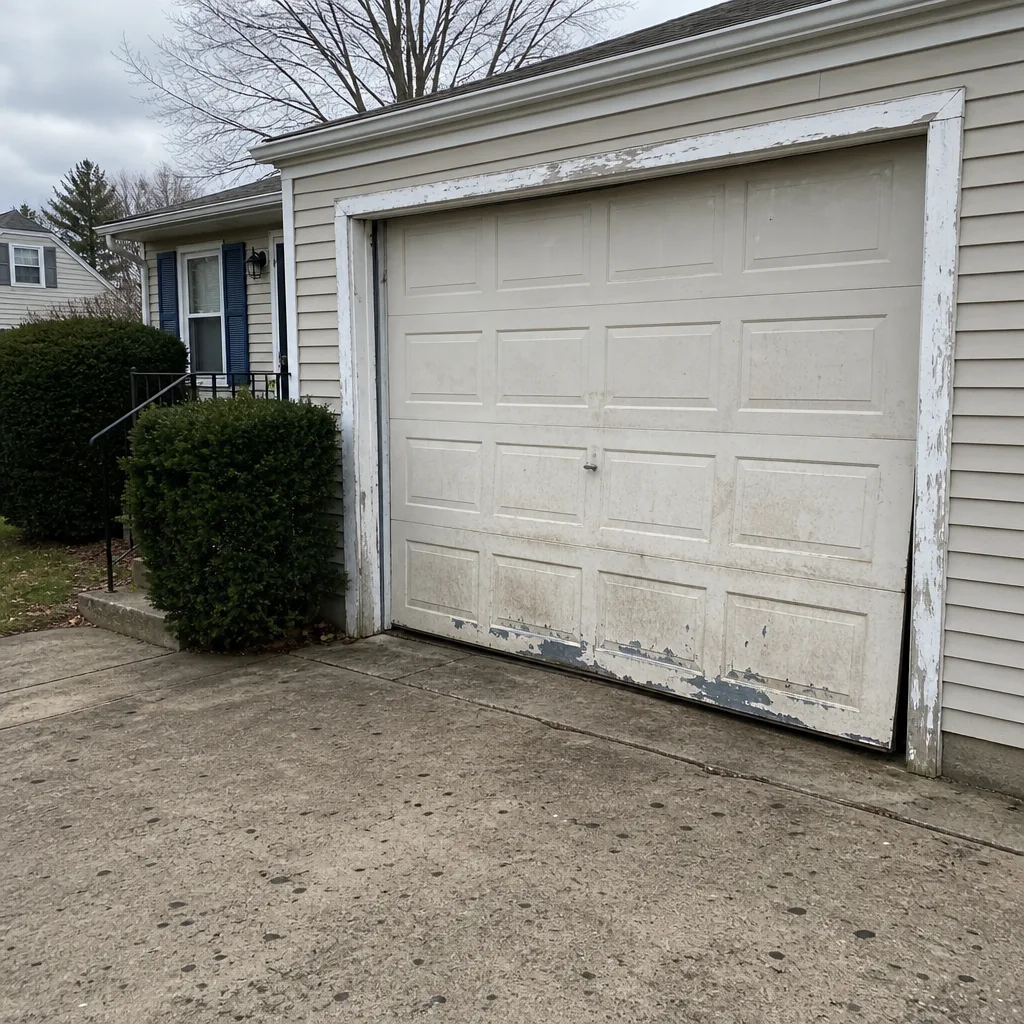 Before
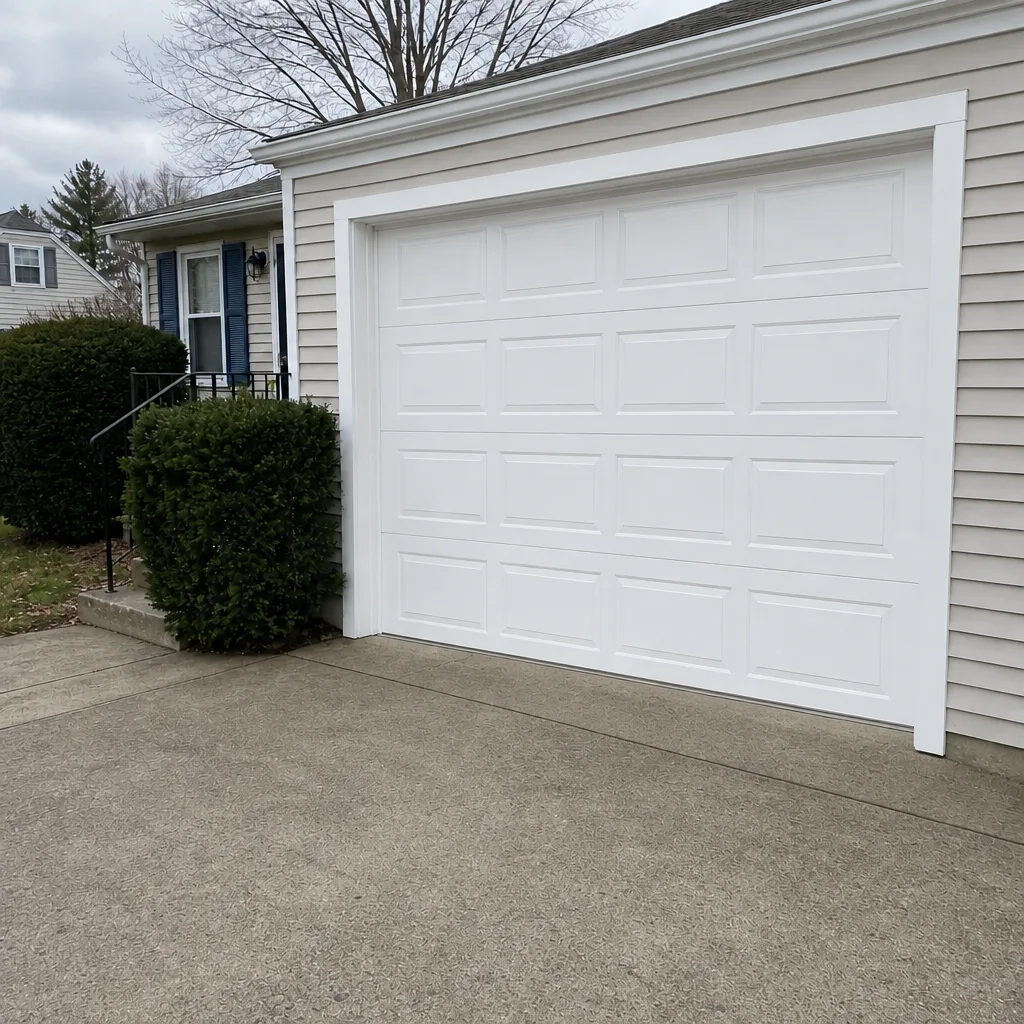 After
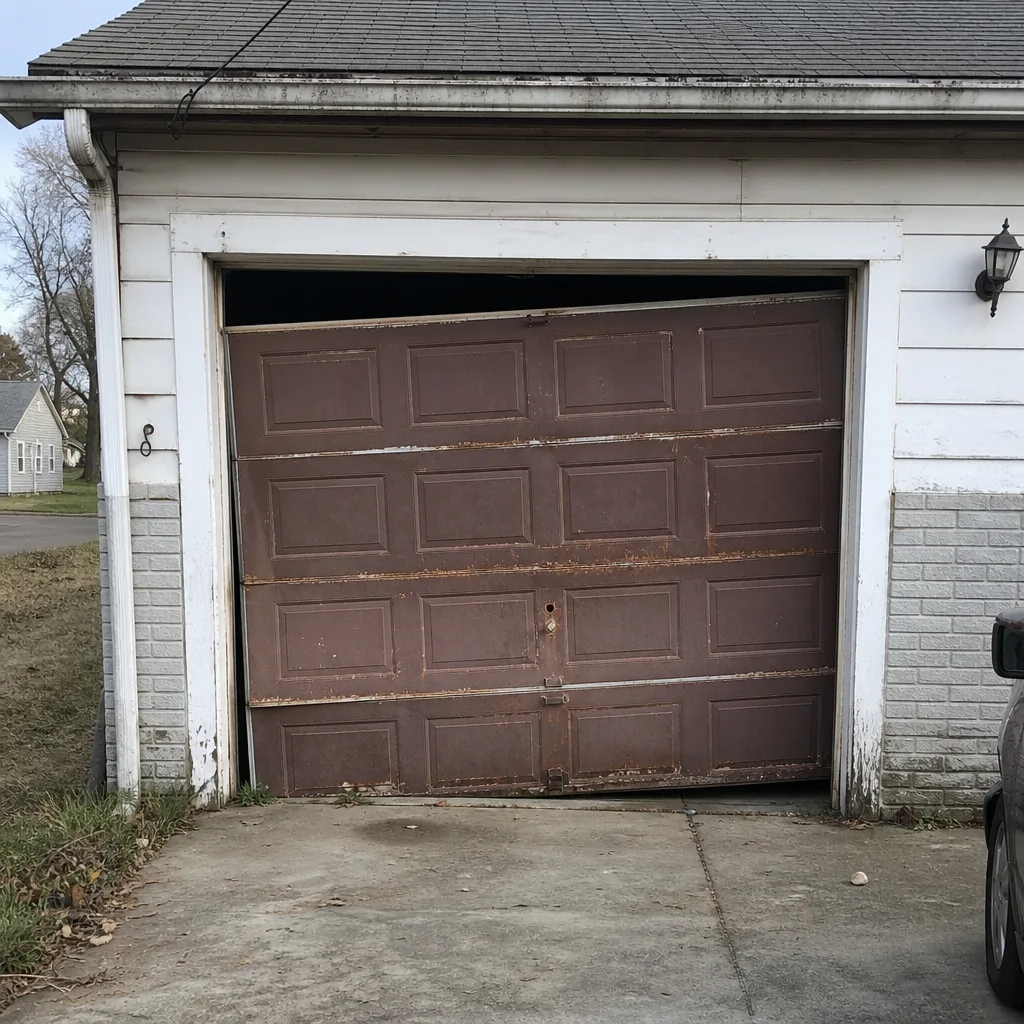 Before
 After
 Before
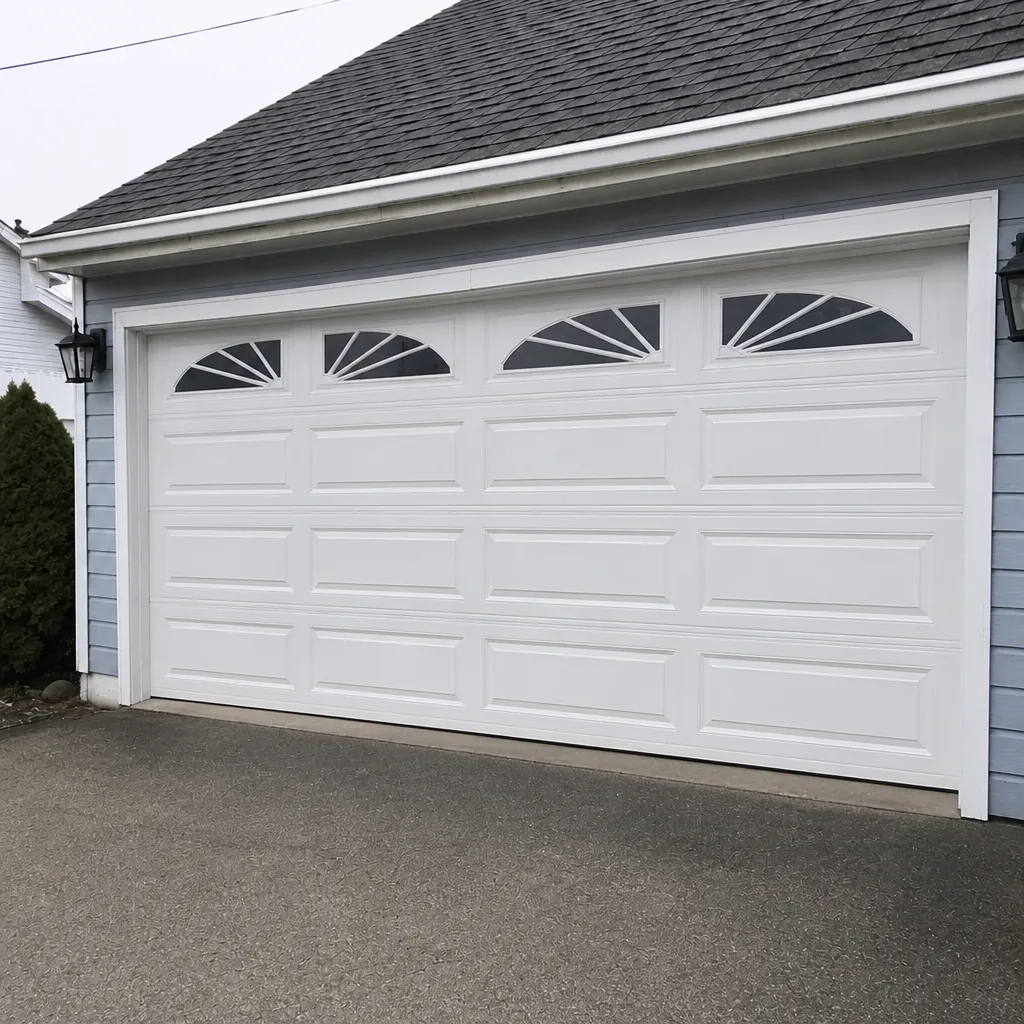 After
When to Call a Professional
Some garage door problems give you time; others don’t. Call a professional when the door won’t close and you can’t secure the house, when a spring has visibly snapped or the door is suddenly very heavy to lift, when a cable is loose or off its drum, when the door comes off its tracks, or when the opener runs but the door doesn’t move. Any of those situations is a call-now, not a call-when-you-get-to-it. Short of an emergency, call when the door reverses for no reason, when it’s making grinding or popping sounds, or when it won’t balance at a half-open position. Those are early signs that a spring or cable is near failure. Chicopee Garage Door Repair Pros offers free estimates in Chicopee, call (855) 658-4190. Our technicians have up to 15 years of experience, and we work on the brand already in your garage.
Frequently Asked Questions
Ask for the HIC registration number in writing and look it up in the state’s online contractor registration lookup run by the Office of Consumer Affairs and Business Regulation. Confirm the name on the registration matches the name on the quote and the contract, and that insurance is current. Call (855) 658-4190 for a free estimate if you’d like to compare written quotes.
Ask for the spring size and how they’re determining it, whether the system is torsion or extension, what brand of opener you have and whether they service it, how they check balance and force settings after the repair, and whether the parts are OEM or aftermarket. A confident contractor answers without hesitation, and a vague one is your red flag. Call (855) 658-4190 for a free estimate.
No. A torsion spring stores enough energy to cause serious injury if it’s wound to the wrong tension or slips on the wind, and the tooling and safe practice are specialized. This is the repair where hiring a professional matters most. Call (855) 658-4190 for a free estimate; we can work with your schedule.
Typically $180 to $340 for one spring, and about twice that for a matched pair, depending on spring size and the door’s condition. The written estimate sets the final price, and it’s quoted and agreed before any work starts. Call (855) 658-4190 for a free estimate.
A specialist, for anything involving springs, cables, or door balance. A handyman may be fine for a new bottom seal or a single roller, but the moment a spring, cable, or door balance is involved, the technical requirements mean the specialist earns their price. If you’re unsure what you have, see our garage door opener repair page or call (855) 658-4190 for a free estimate.
We work on the brand already in your garage, across LiftMaster, Chamberlain, Genie, Clopay, Amarr, Wayne Dalton, Craftsman, and Raynor systems. You don’t need to replace a working opener to install a new door, and you don’t need to match a brand to get service. Call (855) 658-4190 with your model number and we’ll confirm before we come out.
The Bottom Line
Hiring a garage door contractor in Chicopee is a filter problem, not a price-shop problem. Start with the HIC registration check, then the five technical questions, then a line-item written quote with separate labor and parts warranties. If those three pass, you’re in good shape; if they don’t, walk away regardless of the number. The riskiest single choice is picking the lowest price on spring work, because a spring undersized for the door fails earlier and strains everything else in the system. Price is the last filter. It’s not the first. If you want a written quote with the sizing spelled out and the final price agreed before work starts, we’re glad to help.
Whether you’re dealing with a snapped spring, an opener that’s gone quiet, or a door that’s off its tracks, we’re a call away. For a minor opener tune-up or a full new door, the scope is the same: we diagnose first, quote in writing, and agree the price before any work begins. Call (855) 658-4190 for a free estimate in Chicopee.
Written by the team at Chicopee Garage Door Repair Pros.