Last updated November 23, 2026
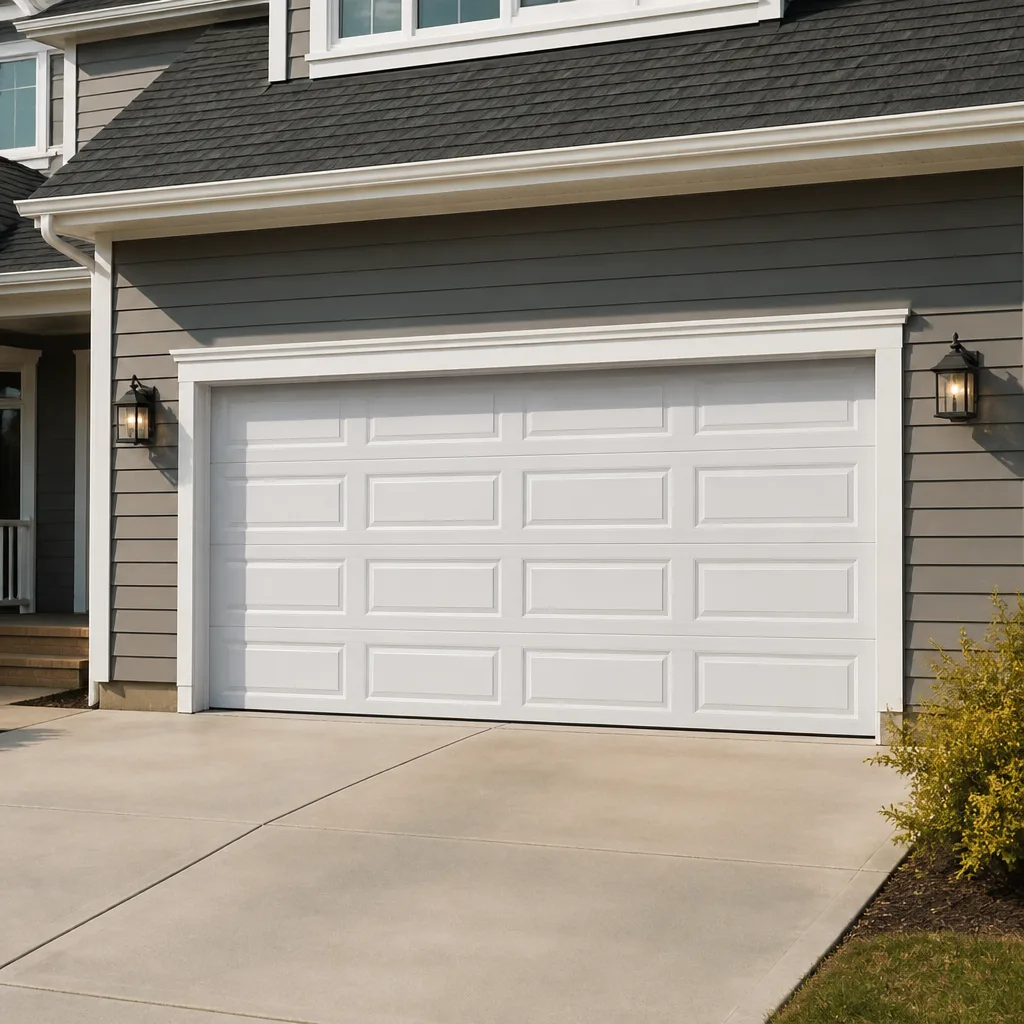 Raised-panel steel
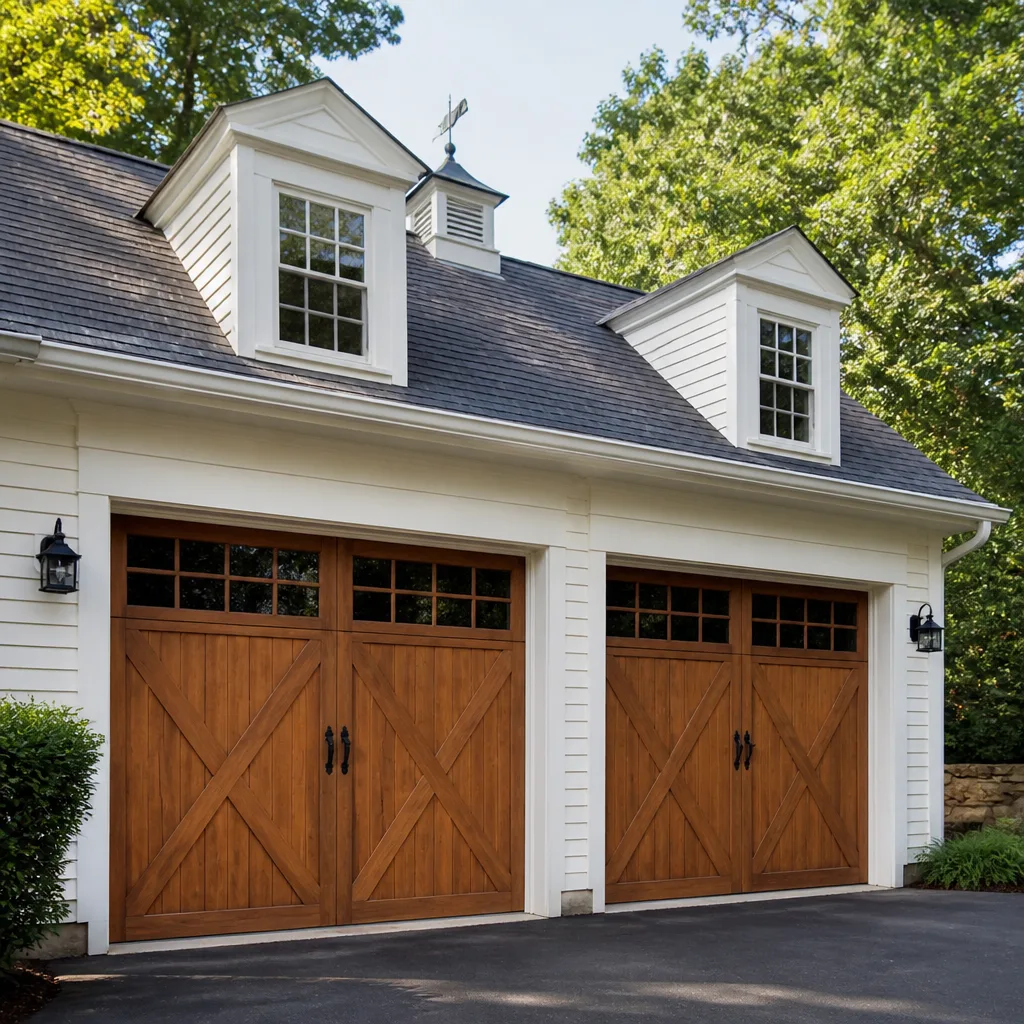 Carriage house
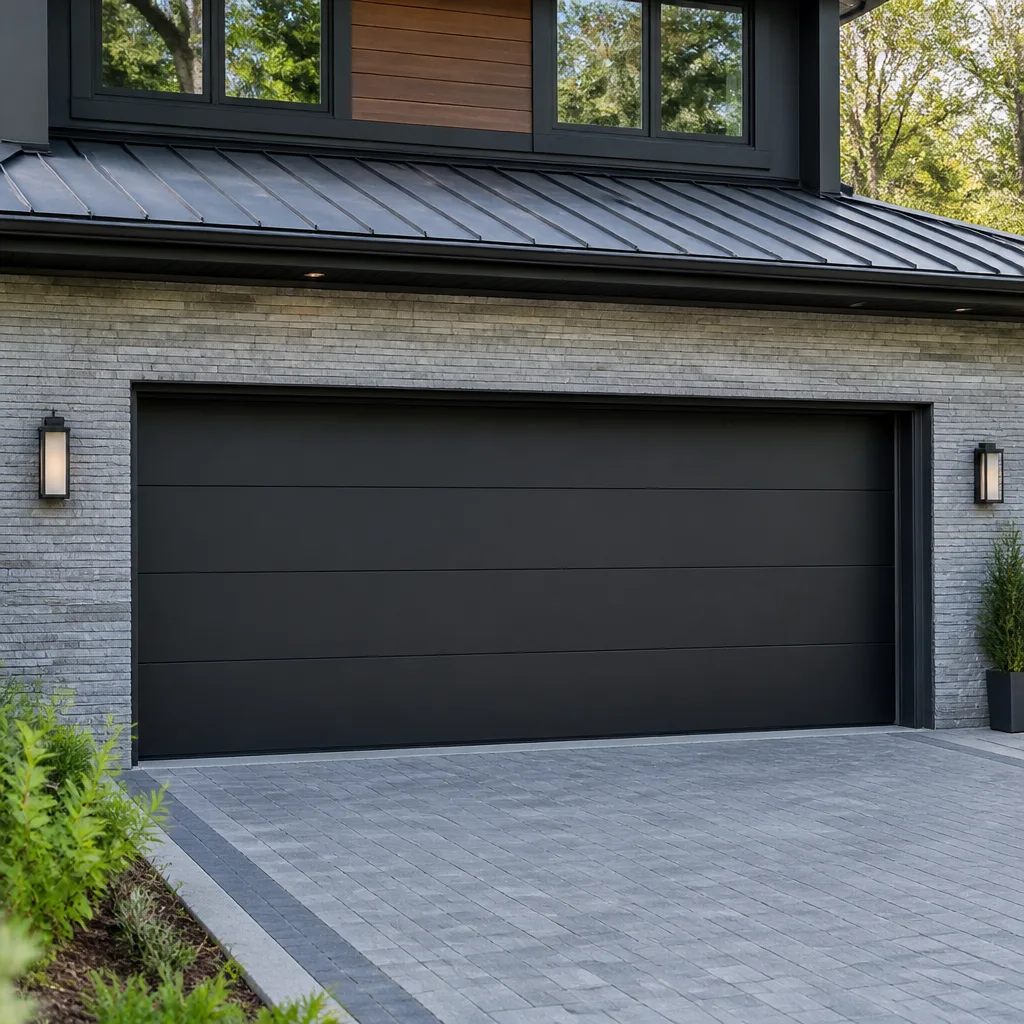 Modern flush
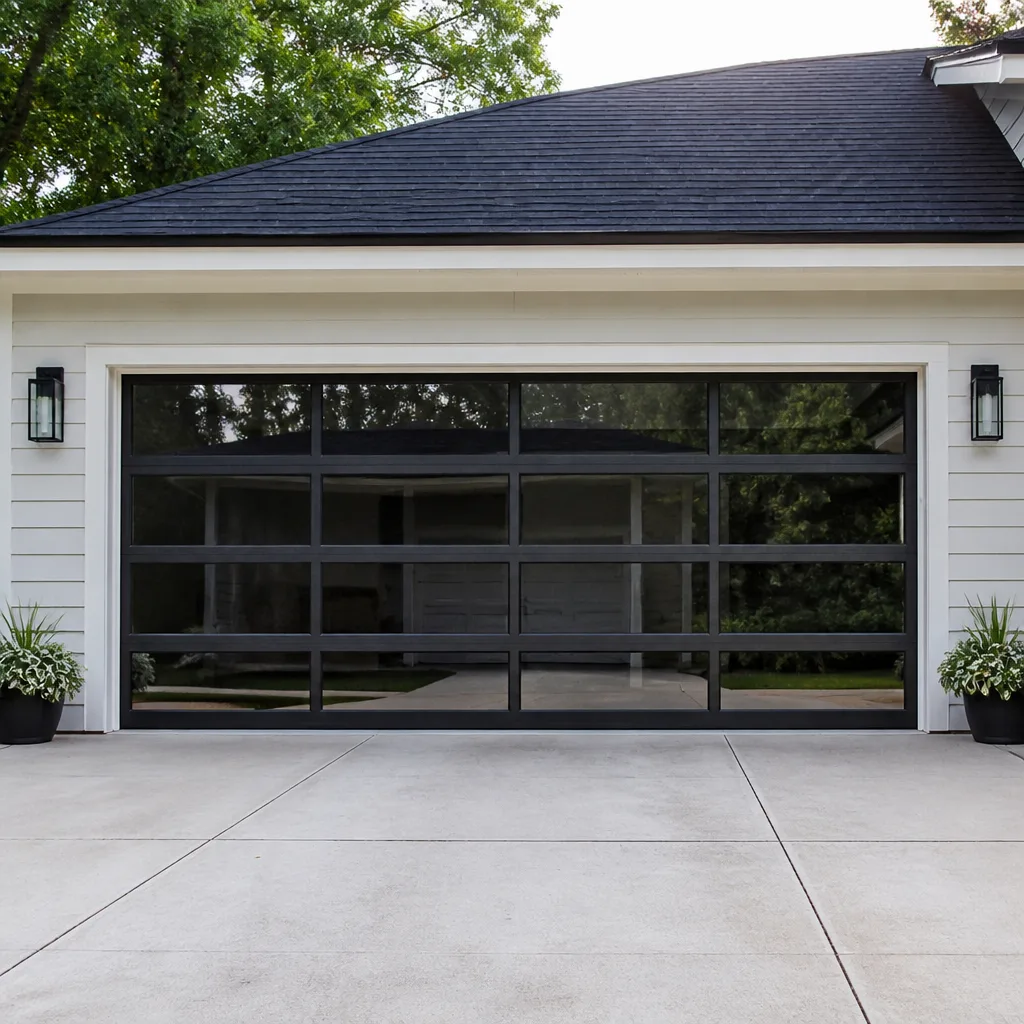 Full-view glass
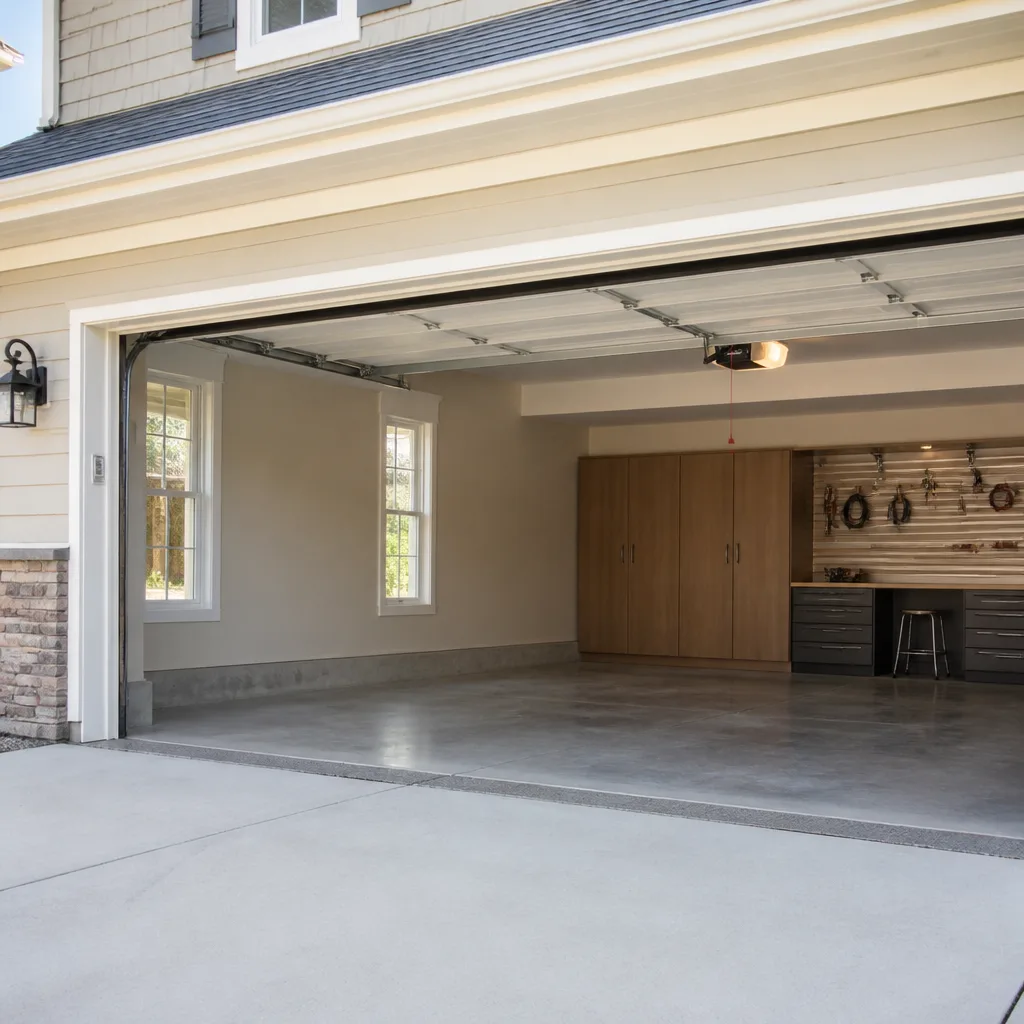 LiftMaster openers
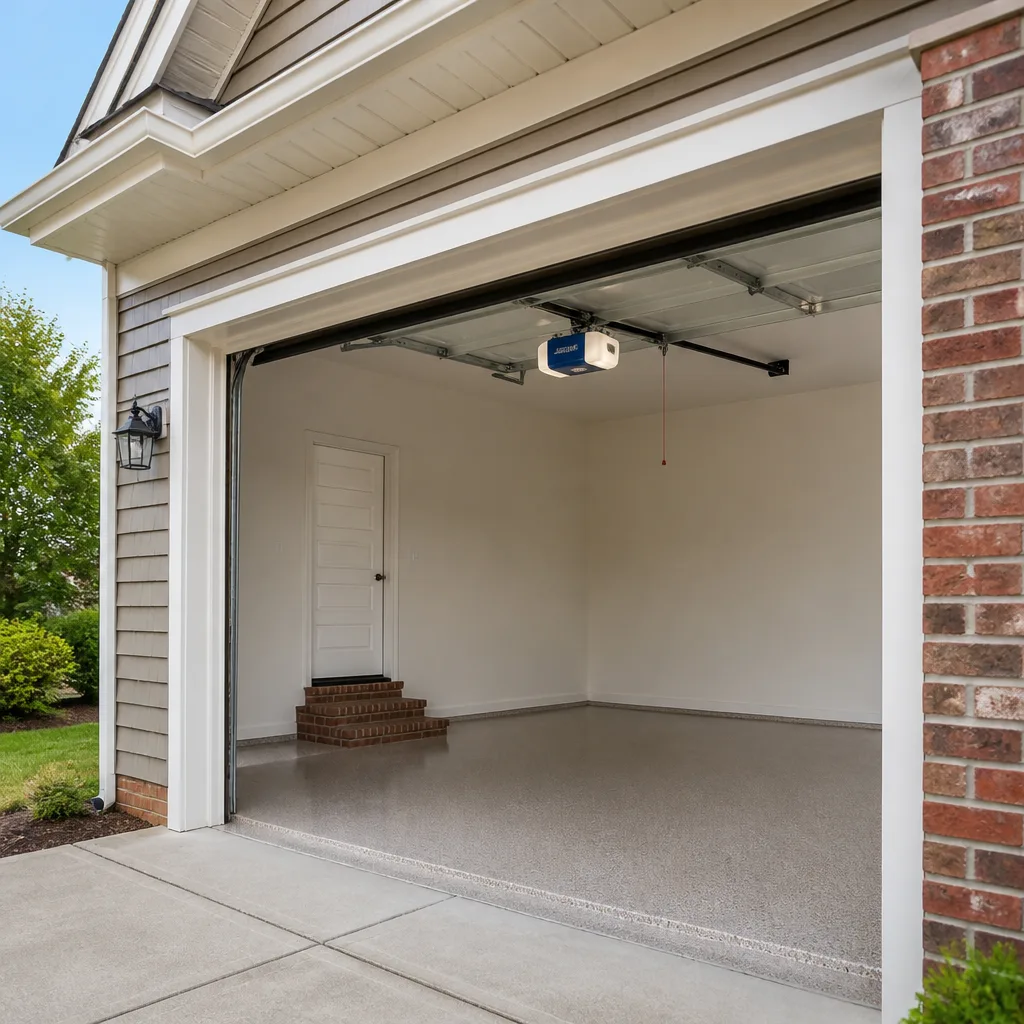 Chamberlain openers
Full 25-point door and opener safety check with every visit - springs, cables, rollers, tracks, and your LiftMaster or Chamberlain opener included
You get a price before we start. It does not change when the pro arrives.
Get your free estimateSeasonal Garage Door Care for Chicopee: Year-Round Homeowner’s Guide
Most homeowners in Chicopee think about their garage door twice: when it breaks, and when it’s too cold to stand outside and look at it. That’s the mistake. A garage door fails in January not because cold alone is cruel to metal and springs, but because the lubricant applied last spring has stiffened into paste, the weatherstripping has compressed flat against the frame, and nobody adjusted the spring tension for a door that effectively weighs more in frozen air. Four seasons, four different stress modes, and one annual checklist that ignores all of them. This guide walks through what each Chicopee season actually does to your door, what to check before the damage sets in, and which jobs belong to a trained technician no matter how handy you are.
Quick Answer
Seasonal garage door care in Chicopee means four targeted routines, not one: a fall prep before the first hard freeze, winter monitoring for what’s normal versus failing, a spring inspection after freeze-thaw cycles stress the tracks and seals, and a summer check for heat expansion and humidity damage. The single most important task, spring tension adjustment, belongs to a trained technician in every season. Everything else you can inspect yourself with a flashlight and five minutes.
Styles & brands we work with
- Raised-panel steel
- Carriage house
- Modern flush
- Full-view glass
- LiftMaster openers
- Chamberlain openers
Table of Contents
- Fall Prep: What to Do Before the First Freeze in Chicopee
- Winter Operation: What’s Normal and What’s a Warning Sign
- Spring Recovery: Inspecting After Freeze-Thaw Cycles
- Summer Heat and Humidity: What It Does to Doors and Openers
- The One Task You Should Never Do Yourself: Spring Tension
- Lubrication and Hardware: A Simple Seasonal Schedule
- What Smart Openers Need in Each Season
- Building a Year-Round Chicopee Maintenance Calendar
Fall Prep: What to Do Before the First Freeze in Chicopee
The calls that flood in during the first cold snap are almost always preventable. Fall prep is about getting the door into a state where freezing temperatures can’t turn a small issue into a service call. In Chicopee, the window between comfortable working weather and the first hard freeze is short, so treat the first cool week of October as your deadline.
Here’s the fall checklist in the order that matters most:
- Test the door’s balance. Disconnect the opener (pull the release cord) and lift the door halfway by hand. It should hold there without drifting. If it sinks or rises on its own, the springs are already out of adjustment, and cold weather will make that worse fast.
- Inspect and lubricate. Apply a silicone-based or lithium lubricant to the hinges, rollers, and torsion bar bearings. Grease that was fine in July can thicken into something closer to wax in January. A lubricant rated for cold temperatures is the single cheapest insurance you can buy.
- Check the weatherstripping. Run a hand along the bottom seal and the side jambs. Any crack, flat spot, or gap lets cold air in and lets heat out, and it also lets snowmelt creep under the door where it refreezes and stresses the bottom panel.
- Clear the tracks. Leaves and grit collect in the vertical tracks through fall. Wipe them down and check that the rollers spin freely. A roller that’s stiff in October will seize in December.
- Look at the door from the street. Stand back and check the panels for sagging or separation. Wood-composite and steel doors can look fine up close and visibly off from twenty feet.
- Test the safety reverse. Put a roll of paper towels under the door and close it. The door should reverse on contact. This fails more often than people realize, and it’s the one function that protects a child or a pet.
None of this takes more than an hour. The homeowners who do it are the ones who don’t call us in January. If you’d rather have a trained eye run through it, a garage door repair visit in the fall covers all six steps and catches things most homeowners miss.
Winter Operation: What’s Normal and What’s a Warning Sign
A garage door in sub-freezing temperatures is supposed to be a little stiff. It should still open smoothly, just more slowly, and the opener motor will sound like it’s working harder than it did in September. That’s normal. What isn’t normal is a door that stops partway, reverses on its own, or makes a sound like a gunshot when it opens.
Here’s how to tell the difference:
- Normal: The door moves more slowly on cold mornings, the opener sounds louder, and the door takes an extra second to seat against the frame.
- Normal: A light thud or click when the door first breaks free from the frozen bottom seal.
- Warning: The door reverses before it reaches the floor. This often means the safety sensors are fogged or obstructed by snow, or the opener’s force settings need adjusting for cold weather.
- Warning: A loud bang from the torsion bar area. That’s the sound of a spring failing, and it’s the most common winter spring failure we see in Chicopee. Stop using the door and call for garage door spring repair.
- Warning: The door comes down crooked, or one side lags behind the other. That points to a track or cable issue that cold weather has made worse.
- Warning: The opener runs but the door doesn’t move. That can be a stripped gear in the opener or a broken spring that’s no longer counterbalancing the door’s weight.
One local factor deserves mention. Snow and ice that pile up against the bottom seal can freeze the door to the ground, and forcing it open pulls on the bottom panel and the cables. If your door is frozen shut, don’t run the opener repeatedly hoping it breaks loose. Clear the ice away from the base first, and if the door still won’t move, that’s a call.
Spring Recovery: Inspecting After Freeze-Thaw Cycles
Western Massachusetts sits in a freeze-thaw zone, and Chicopee gets the full treatment: daytime melt, overnight refreeze, repeated for weeks. Water works its way into every seam, gap, and track on your door, freezes, expands, and pushes things apart. Spring is when you find out what winter did.
Do this inspection once the ground has thawed and before you trust the door to work reliably again:
- Walk the tracks. Look for gaps between the track sections and the wall brackets. Freeze-thaw can loosen the lag bolts that hold the track to the frame. Any track that’s visibly out of plumb needs a technician.
- Look at the bottom seal. This is the first part to fail after a hard winter. Cracks, tears, or a seal that’s pulled away from the panel mean water and cold air get in with every storm.
- Check the springs visually. A torsion spring with a visible gap in the coil is broken. Extension springs that look stretched longer than they should are close to failing. Don’t touch them; note what you see and call.
- Test balance again. Same test as fall: disconnect the opener, lift the door halfway, and see if it holds. A door that won’t hold is a door whose springs are out of adjustment after a winter of heavy use.
- Check the rollers. Rollers that survived winter may have flat spots from sitting in one position for months. Flat-spotted rollers make a rhythmic thumping sound as the door moves.
- Look at the panels. Small dings from snow shovels and ice are cosmetic. Cracks that run across a panel are structural, and a cracked panel can fail under load.
If anything on this list turns up wrong, don’t wait until summer to deal with it. Spring is the cheapest time to fix a problem that will get worse in July heat. A Chicopee Garage Door Repair Pros technician can run this inspection and give you a written estimate for anything that needs fixing, and we quote before any work starts.
Summer Heat and Humidity: What Preserves and What Destroys
Summer gets less attention than winter, but Pioneer Valley humidity does real damage to certain door materials. Steel expands in heat, which can tighten tolerances in the tracks and make a door that ran quietly all winter start to rub. Wood-composite and faux-wood panels absorb moisture, and a humid July can cause swelling, warping, and finish failure that shows up as peeling paint or a door that no longer sits flat against the frame.
What to watch for in a Chicopee summer:
- Steel doors: Listen for new rattles or rubbing sounds on hot afternoons. Heat expansion can make a door that was quiet in May start to bind. If it rubs consistently, the tracks or hinges may need adjustment.
- Wood-composite and faux-wood panels: Check the bottom edges and panel joints for swelling or soft spots. These materials need a sound paint or stain film to keep moisture out, and once water gets in, the damage spreads. Touch up any chipped finish before it becomes a repair.
- Opener motors: A garage that hits 100 degrees on a July afternoon is hard on opener electronics. If your Chamberlain or Genie unit starts behaving oddly only on hot days, heat is the likely cause, and an opener inspection makes sense.
- Weatherstripping: Heat can soften and distort seals. Check that the bottom seal still makes contact with the floor across its full width.
- Hardware: Metal expands in heat, and bolts that were tight in March can loosen by August. A quick wrench check on hinge and bracket bolts takes two minutes.
If your door is a Clopay or Amarr model with a composite or faux-wood finish, summer is the season to inspect the finish coat closely. Once moisture gets under a failing finish, the panel itself starts to deteriorate, and replacing a panel costs far more than repainting one.
The One Task You Should Never Do Yourself: Spring Tension
We’ll say this plainly: garage door springs are the most dangerous component in a residential garage, and spring tension adjustment is not a homeowner job in any season. A torsion spring stores enough energy to seriously injure or kill someone who releases it wrong. The winding bars, the cables, the drums, and the spring itself are all under load, and a mistake doesn’t give you a warning first.
What you can safely do is recognize when the springs need a professional’s attention:
- The door feels much heavier than it used to when you lift it by hand with the opener disconnected.
- The door won’t stay in place at the halfway point.
- The opener strains audibly or the door moves unevenly.
- You see a gap in the torsion spring coil or an extension spring that’s stretched out of shape.
- The door slams down instead of lowering smoothly.
Timing matters more than most people think. Spring tension falls out of adjustment gradually, and a door that’s slightly heavy in October becomes a door that’s much too heavy for the opener come January, when cold temperatures make everything harder. Getting the springs checked in fall, before the cold sets in, is one of the most cost-effective things you can do for a Chicopee door. Call (855) 658-4190 for a spring check, and we’ll give you a written quote before anything is adjusted. If a spring has already failed, our emergency garage door service is built for the moment your door won’t move.
Lubrication and Hardware: A Simple Seasonal Schedule
Lubrication is where seasonal care pays off fastest. The right lubricant at the right time keeps a door quiet and functional; the wrong lubricant at the wrong time turns into a sticky mess that attracts grit and stiffens in cold weather.
Here’s a practical seasonal schedule:
- Fall: Lubricate hinges, rollers, and torsion bar bearings with a cold-rated silicone or lithium spray. Don’t use standard grease on the torsion bar in autumn; it thickens in cold weather.
- Winter: Spot-check after any hard freeze. If the door starts to squeak or move slowly, a quick reapplication on the hinges and rollers helps. Don’t lubricate the tracks themselves; they’re meant to stay clean and dry.
- Spring: Clean and re-lubricate everything after the freeze-thaw season. Check the roller stems and hinges for rust and replace anything that’s pitted.
- Summer: Wipe down the hardware and check bolts for tightness. Heat loosens things. A dry lubricant on the torsion bar works better in summer humidity than a wet one.
Two things never to lubricate: the tracks (they collect dirt and need to stay dry) and the photo-eye lenses on your safety sensors (they need to stay clean, and lubricant makes them blind). If your opener is a LiftMaster or Craftsman unit with a chain drive, a small amount of chain lubricant once a year keeps it quiet, and that fits naturally into the fall routine.
What Smart Openers Need in Each Season
Modern openers have electronics that need seasonal attention too, and the failure modes are different from a mechanical door. A Wi-Fi opener that worked all summer can lose its connection in winter, and a smart-home system that reports a door status incorrectly is worse than no app at all.
Seasonal tech checks worth doing:
- Fall: Test the safety reverse and the photo-eye alignment before the first freeze. Cold can shift the brackets holding the sensors, and a misaligned sensor is the single most common cause of a door that won’t close.
- Winter: If your opener reports “obstructed” on cold mornings, check the sensors for frost or condensation before assuming the door is broken.
- Spring: Test the battery backup if your opener has one. Many modern openers run a battery test automatically, but a manual check after a winter of power fluctuations is worth doing.
- Summer: Confirm Wi-Fi connectivity and app alerts still work. Heat can affect electronics, and a smart opener that drops offline in July may need a reset or a firmware check.
We work on Chamberlain, LiftMaster, Genie, and Craftsman openers regularly, from older units to current Wi-Fi models, so if your opener behaves differently in one season than another, an garage door opener repair visit can sort out whether it’s the opener or the door. Sometimes an opener that seems to be failing is actually struggling against a door that’s out of balance.
Building a Year-Round Chicopee Maintenance Calendar
A calendar is how seasonal care actually gets done. Here’s a simple year-at-a-glance for a Chicopee home:
- Early fall (before first freeze): Full inspection, lubrication with cold-rated product, balance test, weatherstripping check, safety reverse test.
- Winter: Weekly visual check. Listen for new sounds, watch for doors that reverse before closing, and clear ice from the bottom seal before operating the door.
- Early spring (after thaw): Track inspection, bottom seal check, spring visual check, balance test, roller inspection.
- Late spring: Professional spring tension check. This is the one task on the calendar that always belongs to a technician.
- Summer: Finish and material check for composite and wood doors, hardware tightness check, opener electronics check.
- Before winter again: Repeat the fall routine, and if a spring has been giving you trouble all year, replace it before the cold makes it fail.
If you build this into your phone’s calendar with reminders, you’ll catch most problems before they become emergencies. And if you’d rather have someone else handle the whole schedule, that’s what we do.
Common Mistakes to Avoid
- Greasing the tracks. It seems like it would make the door quieter, and it does, for about two weeks. Then the grease collects grit, the rollers bind, and the door gets harder to move. Tracks should stay clean and dry.
- Ignoring a door that reverses on cold mornings. In Chicopee winters, a door that reverses on its own usually means misaligned or frosted sensors, but it can also mean the opener’s force settings are at their limit. Ignoring it leads to a door that won’t close when you need it to.
- Using the wrong lubricant in fall. Standard grease thickens fast in cold weather. A cold-rated silicone or lithium spray is the right choice for anything used in a Massachusetts winter.
- Skipping the spring inspection because the door still works. A door with failing springs still opens for a while. It just puts the strain on the opener motor instead, and that’s how a spring problem becomes an opener replacement.
- Forcing a frozen door open. Running the opener repeatedly against a frozen seal damages the bottom panel and can strip the opener gear. Clear the ice first.
- Assuming summer is the off-season. Heat and Pioneer Valley humidity do real damage to composite and wood-composite panels. A failing finish in August becomes a swollen panel by October.
- Adjusting spring tension yourself. This is the mistake with the worst consequences. Springs store enormous tension, and this isn’t a DIY fix in any season.
See the difference
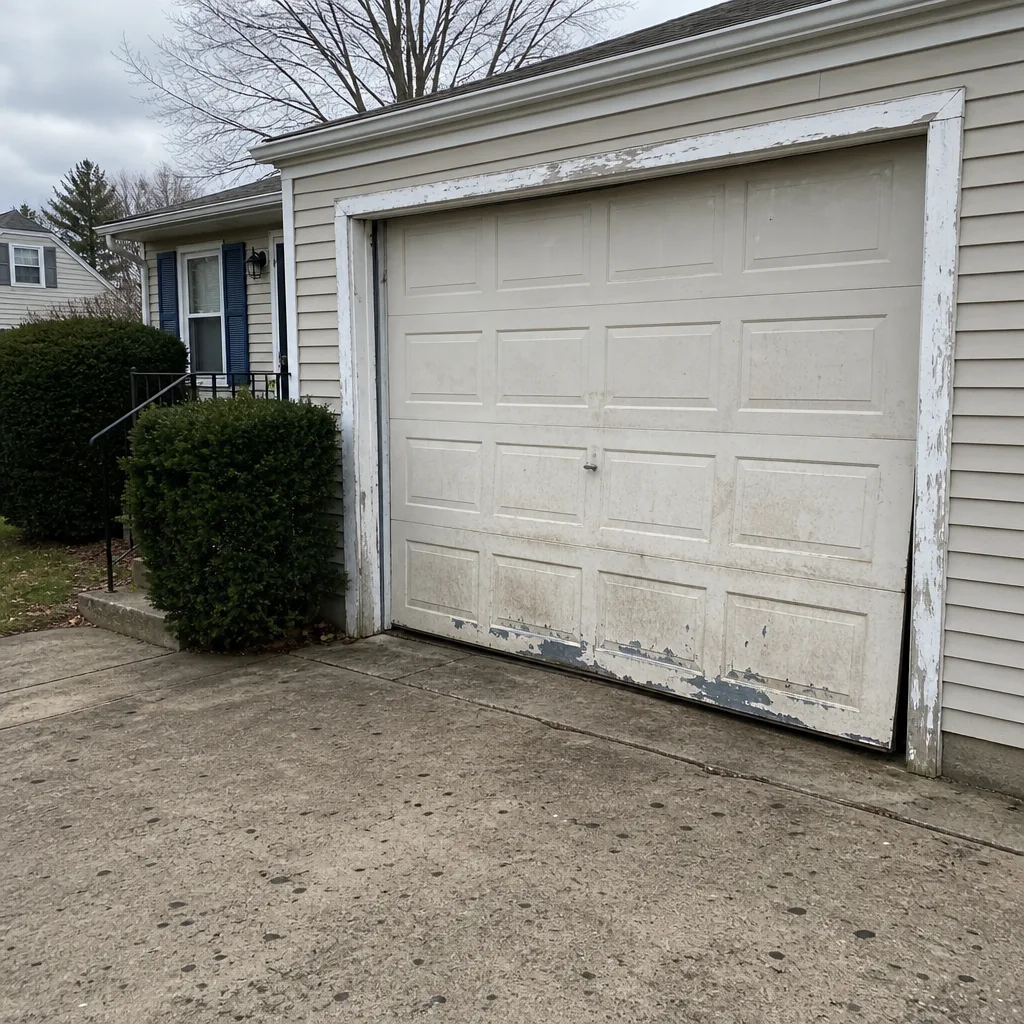 Before
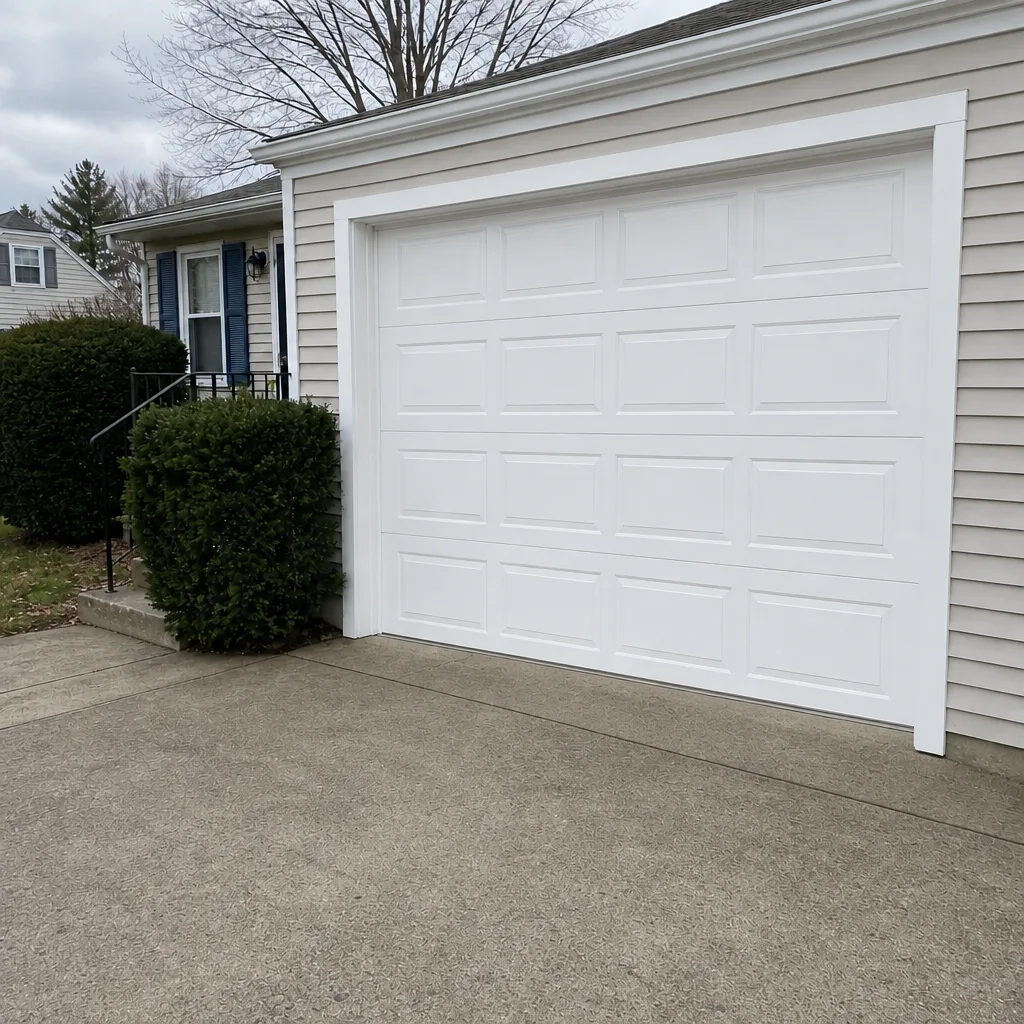 After
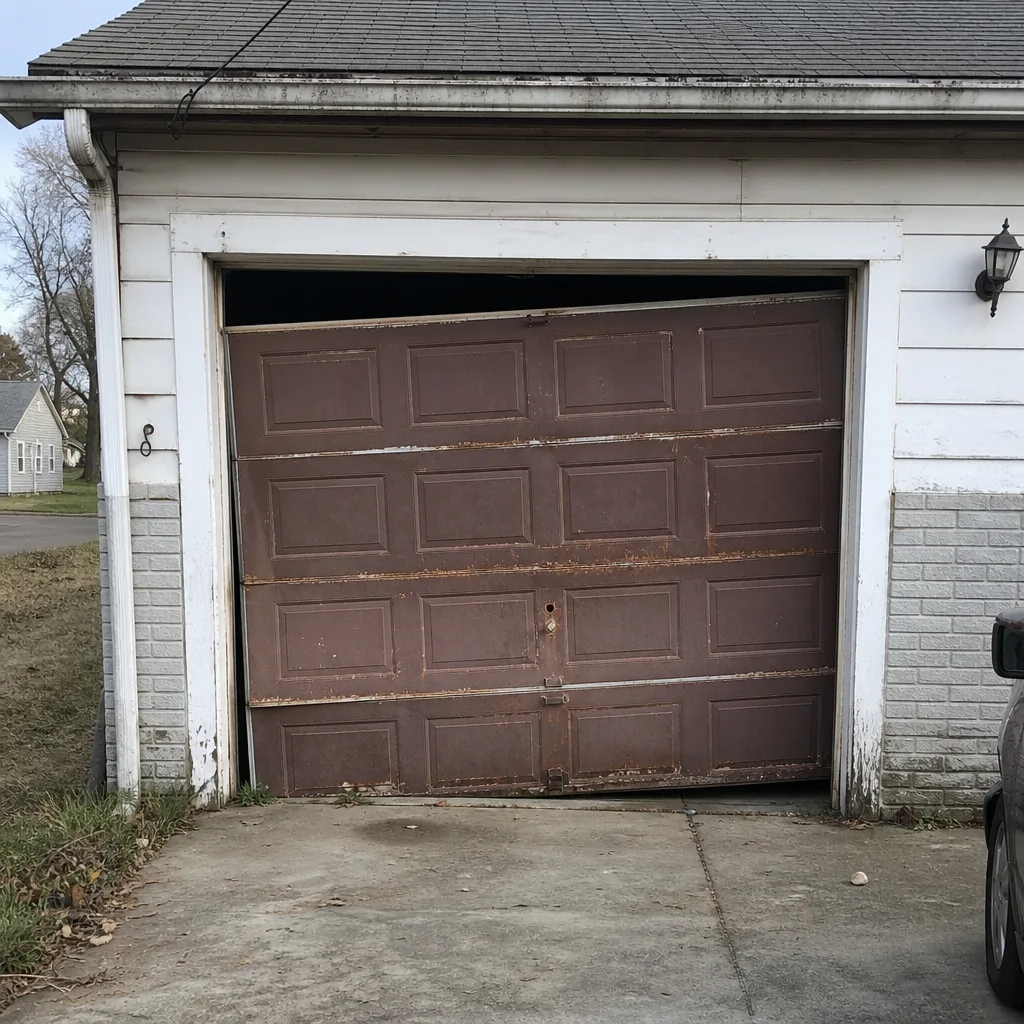 Before
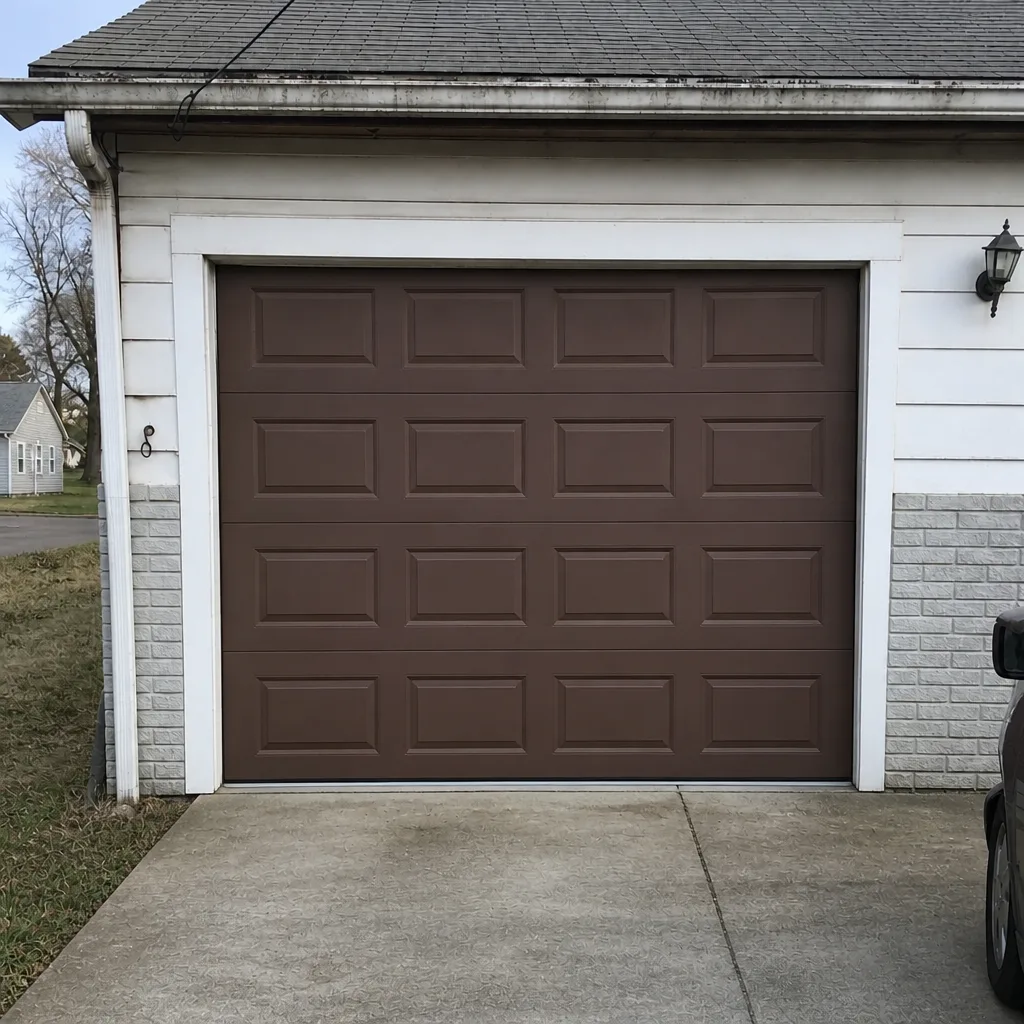 After
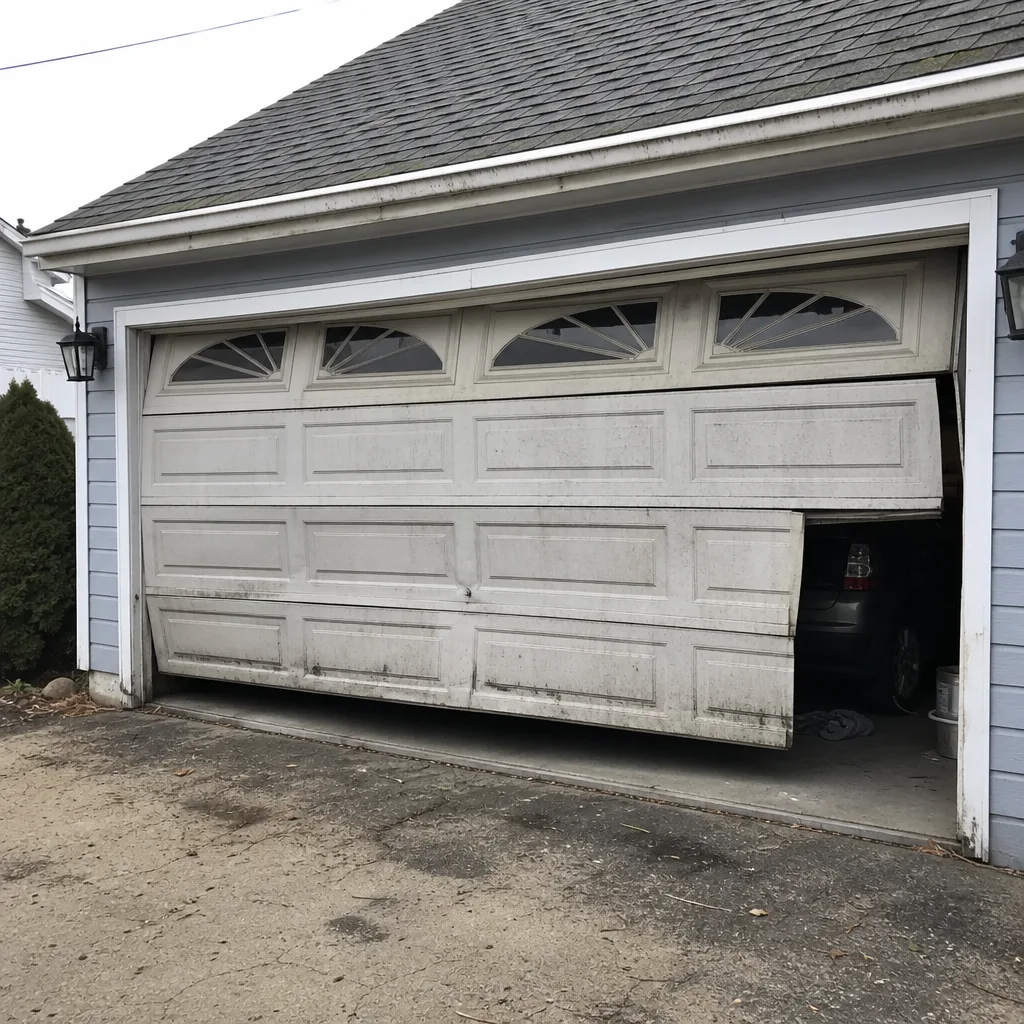 Before
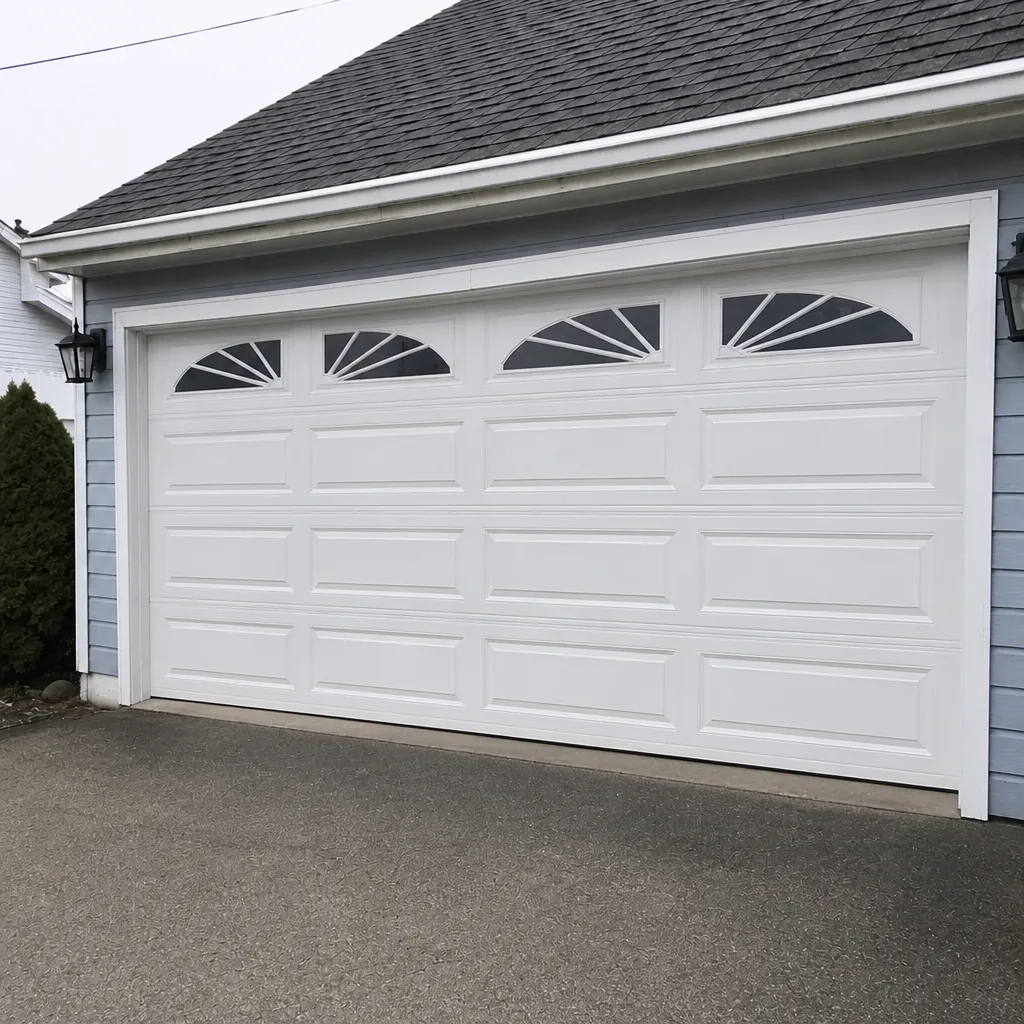 After
When to Call a Professional
Call us when the door won’t hold itself up with the opener disconnected, when a spring has visibly failed, when the door comes down crooked or reverses repeatedly, or when the opener runs but the door doesn’t. Call before winter if the door has felt heavier or noisier all year; a pre-freeze spring check is far cheaper than a mid-January emergency. Call if you see cracked panels, a seal that’s pulled away from the bottom, or tracks that have shifted. And call if you simply want the seasonal checklist done right, with a written estimate before any work starts. Chicopee Garage Door Repair Pros offers free estimates in Chicopee. Call (855) 658-4190. Our technicians have up to 15 years of experience, and we work on the brand already in your garage.
Frequently Asked Questions
Once a year at minimum, and twice a year is better in this climate. Fall and spring are the natural service points because they bracket the freeze-thaw cycle. A fall service gets the door ready for cold weather; a spring service catches what winter did.
The door moves more slowly and the opener sounds louder on cold mornings. That’s usually normal. If the door reverses on its own, stops partway, or makes a bang when it starts to move, that’s a symptom that needs attention, not normal cold-weather behavior.
Yes, for most of it. Lubrication, visual inspections, the balance test, the weatherstripping check, and the safety reverse test are all homeowner-friendly. Spring tension adjustment, cable work, and track repair are not; leave those to a trained technician.
It’s safe if the finish holds. The risk is moisture getting into seams and panel edges where the paint or stain has failed. Inspect the bottom edges and joints each summer, and touch up any chipped finish before humidity gets under it. If the finish has been failing for a while, a panel may need replacing.
They need the same mechanical care plus a few electronic checks. Sensor alignment matters more in cold weather, and Wi-Fi connectivity is worth verifying each summer. If a Chamberlain or Genie opener drops off the app only in hot weather, the electronics are the likely cause.
Replace when the spring is visibly broken, badly rusted, or has been adjusted to the end of its travel. A spring that’s been in service for years and has lost tension is a candidate for replacement rather than another adjustment. A technician can tell you which it is with a visual inspection and a balance test.
The Bottom Line
Chicopee’s four seasons each stress a different part of your garage door: fall wants lubrication and balance, winter wants monitoring and patience, spring wants a post-thaw inspection, and summer wants a materials check. Treat them as one task and you’ll miss most of what matters. Treat them as four and you’ll catch problems while they’re cheap to fix. The one job that never belongs to you is spring tension, no matter the season. If you’d rather hand the whole calendar to someone who does this every day, we’re one call away.
Call (855) 658-4190 for a free estimate and a written quote before any work starts. We help with seasonal checkups, spring repair, opener service, and new door installation across Chicopee. Fast response when your door won’t move, and a clear price before anyone picks up a tool.
Written by the team at Chicopee Garage Door Repair Pros.